
Environment
🇮🇷 IranAging Is Not Just About Getting Older
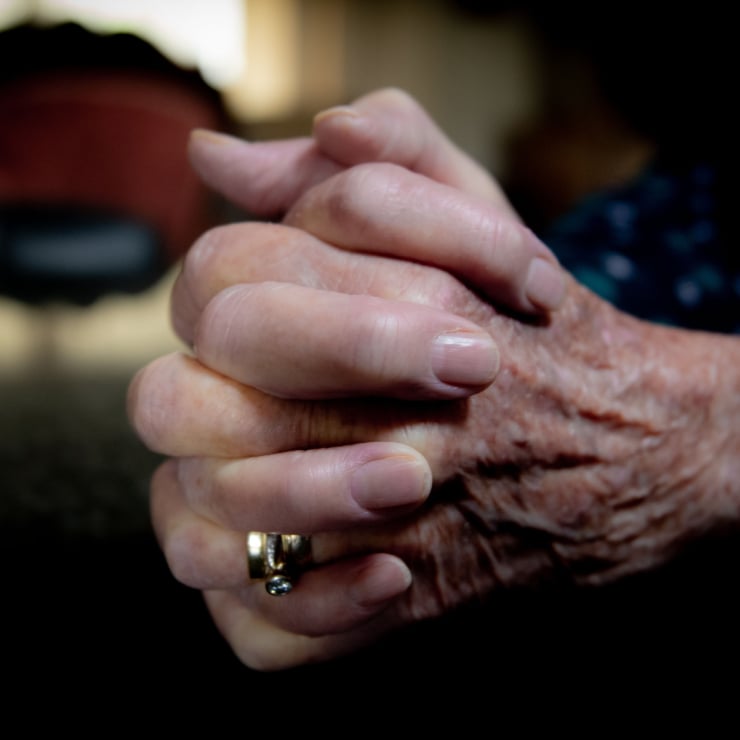
Chronic, low-grade inflammation — known as "inflammaging" or inflammatory aging — plays a significant role in the process and can appear from an early age, according to cardiovascular surgeon Prof. Dr. Ali Kutsal. Kutsal said treatments targeting inflammatory aging and cellular senescence could lead to a major paradigm shift in the prevention and management of age-related cardiovascular diseases in the future. Inflammation is a protective response by the immune system to infection, trauma, or tissue damage.
Acute inflammation helps damaged tissues heal and restores the body's internal balance. However, when this well-organized process becomes chronic and continues without resolution, it begins to harm the body and contributes to the development of numerous diseases. Inflammatory aging describes a chronic, systemic, low-grade inflammation that emerges with the aging process without an overt infection.
Unlike acute inflammation, it can last for years or even decades. Kutsal noted that inflammatory aging is often clinically silent but, over the long term, impairs tissue and organ function and accelerates the development of age-related diseases, particularly causing structural and functional damage to the vascular system that extends to the body's extremities. Inflammatory aging has cellular and molecular foundations.
Levels of markers indicating the process remain at baseline in both men and women until around age 60-65, after which they begin to rise steadily due to inflammation-related aging. According to Kutsal, the most important and easily monitored markers are IL-6 and CRP, which rises somewhat more slowly: "Both tend to increase very rapidly. Those with high inflammation levels not only tend to have more diseases, but also a higher likelihood of the number of diseases increasing over time.
Studies have shown a correlation between IL-6 levels and the number of diseases a patient has. For example, if a 70-year-old with high IL-6 relative to baseline shows a rapid increase in IL-6 over time, they may have two or three chronic diseases; if this continues, by age 90 they may have more than four chronic diseases. Chronic inflammation makes the heart muscle less elastic, making it harder for the heart to relax and fill.
It thickens and stiffens heart valves and causes calcification." Kutsal emphasized that this can make it difficult for the valves to open and close properly. These changes create the groundwork for a range of cardiovascular problems, including heart failure, coronary artery disease, arrhythmias, stroke, hypertension, peripheral artery disease, and venous insufficiency. Studies show that older adults who exercise regularly have lower levels of inflammatory markers compared to sedentary adults.
Inflammation affects not only the cardiovascular system but all other systems as well. Modern medical advances have extended lifespan, but chronic diseases can accompany those extra years, with chronic low-grade inflammation at the center of the aging process.
Source: Diken
- Iran
- Environment
- Aging
- Aging Getting
- Getting Older