Science
Spacex Falcon 9 Rocket Upper Stage, Launched in January 2025, Crashed Into the Moon on Friday Morning at Approximately 09:35 Turkish
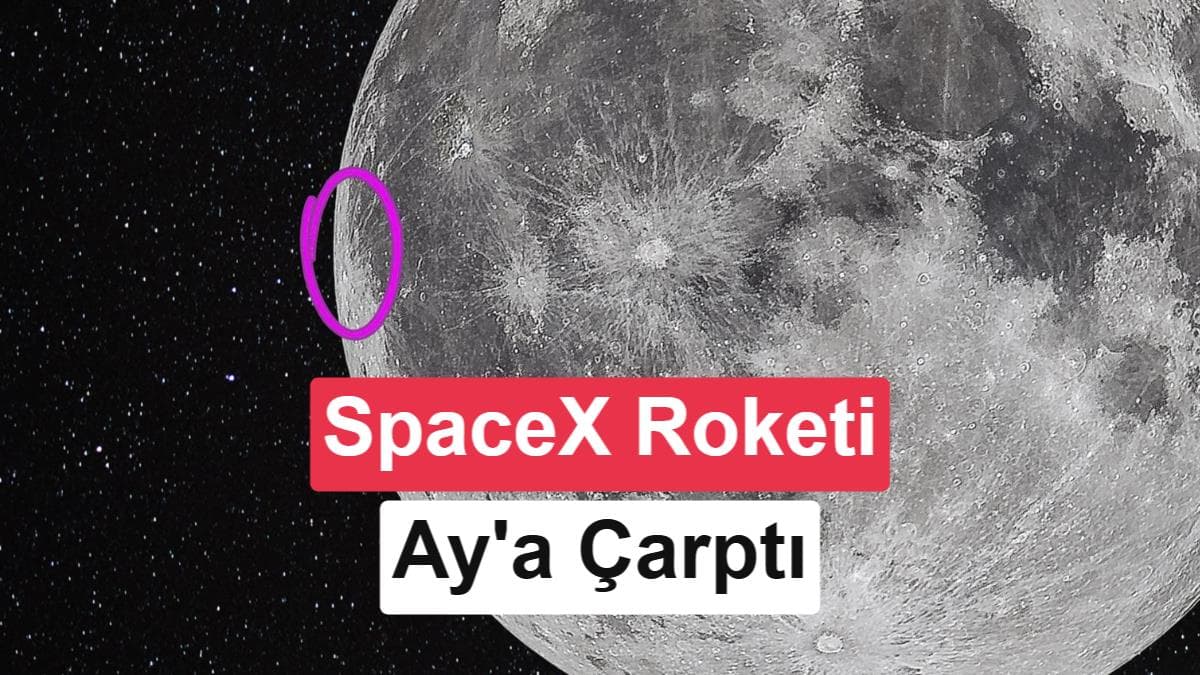
The 4,000-kilogram, 14-meter-long booster hit the surface at about 8,700 kilometers per hour, according to calculations. Scientists say the impact offers a valuable opportunity to study lunar geology and improve tracking of objects in space. NASA stated the collision poses no risk to Earth.
The crash was not directly observed because no spacecraft in lunar orbit was in the right position at the time. Researchers will compare before-and-after images to identify the new crater, with NASA's Lunar Reconnaissance Orbiter expected to image the site in the coming days. South Korea's Danuri orbiter, which passed over the region shortly before impact, will share possible data after analysis.
Large ground-based telescopes in the Americas attempted to record the flash and dust cloud, with data processing expected to take from hours to weeks. The upper stage was left in space after launching two robotic lunar landers, while its first-stage booster is scheduled for its 18th flight on August 10, carrying 29 Starlink satellites from Cape Canaveral Space Force Station in Florida.
Source: Donanımhaber