Health
Since July 27, It Has Handled 50 to 60 Critically Injured Patients, With 15 to 20 Suffering Gunshot Wounds
The BBC has gained rare access to Rawalakot, the epicenter of violent clashes between security forces and protesters in Pakistan-administered Kashmir, where a makeshift clinic is struggling to cope with the wounded. Dr Anwar, whose name has been changed for safety, said his clinic can only provide first aid, not treat serious injuries to the chest, abdomen, or head. Since July 27, it has handled 50 to 60 critically injured patients, with 15 to 20 suffering gunshot wounds.
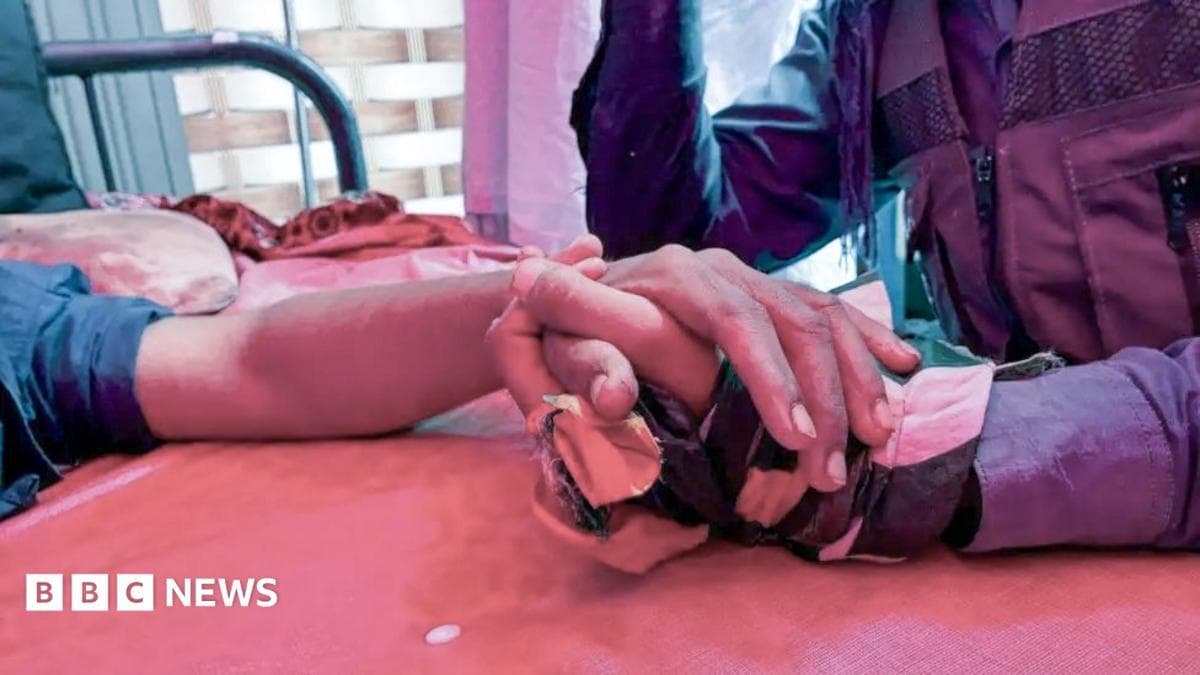
Most victims are young, aged 15 to 35. Protesters avoid the main hospital, fearing arrest or shooting, a claim authorities deny. Shafqat Hussain, shot in the chest, lies on a blood-stained bed. His friend Ali, wiping away tears, said, "We only asked for affordable flour, electricity and our basic rights.
Instead, our brothers are being killed. The protests, led by the banned Joint Awami Action Committee (JAAC), demand rights over electricity prices, education, and health care. An October agreement with the Pakistan and PAK governments remains unimplemented, the group says.
Authorities label JAAC foreign-funded terrorists and accuse them of blocking roads to disrupt ongoing local elections; the group denies this, insisting they are peaceful and not sponsored by India. Asma, whose only son was killed, said, "We were only asking for our rights. We are not terrorists.
He believed standing up for justice was important. Ayub, a retired soldier who lost his son, blamed the PAK government for calling in paramilitary forces, saying, "I have never seen anything like what is happening now. In my opinion, it is extreme injustice.
The PAK government rejects allegations of indiscriminate firing, stating law enforcement acted against those attacking personnel or threatening public safety. The BBC witnessed food shortages and shuttered shops, with some smuggling rice on motorbikes."
Source: BBC Asia