Politics
🇲🇱 MaliThe Dáil and Cabinet May Have Been on Holidays, But It’s Business As Usual

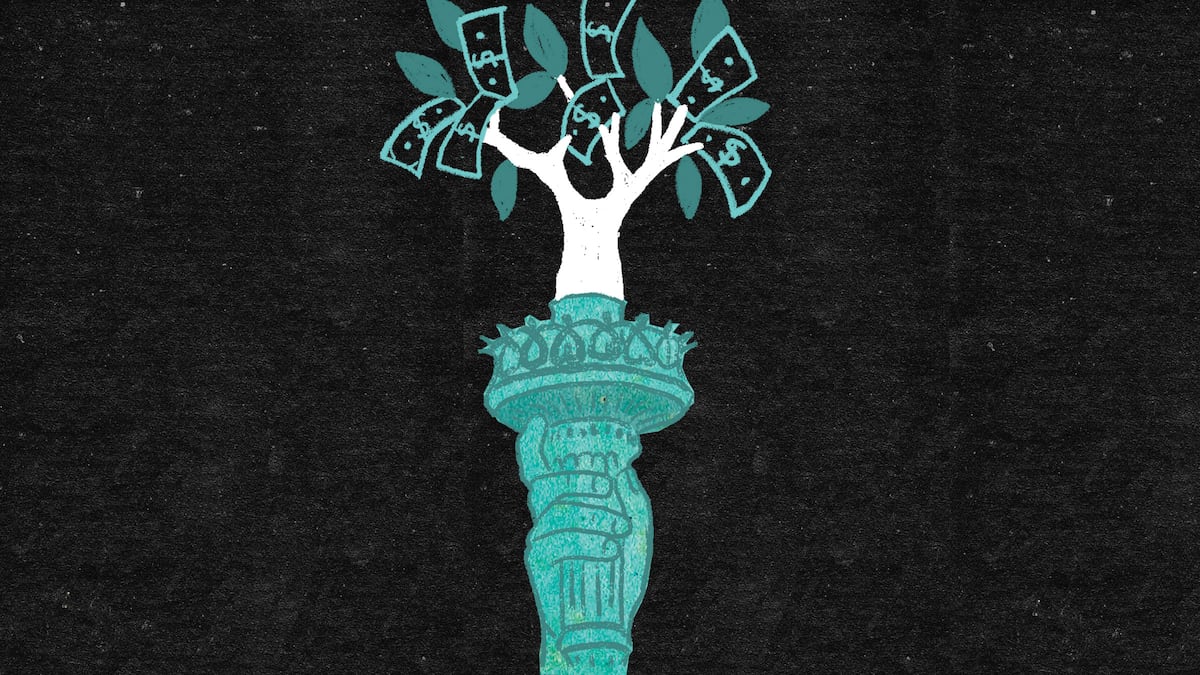
With little regard for the holidays, two significant political problems arose for the Government during the dog days of August. This week, it moved to solve both by spending hundreds of millions of euro. The Dáil and Cabinet may have been on holidays, but it’s business as usual.
On Tuesday, the Health Service Executive announced that it had reached agreement with drug maker Biogen to fund Skyclarys, a treatment for Friedreich’s Ataxia, a rare condition that affects about 200 people countrywide. The total cost of purchasing the drug has not been released, with the HSE pleading commercial sensitivity. But it is likely to be steep, with informed estimates running somewhere in the €20-30 million range.
On Friday, the Dáil met for an hour-and-a-half to approve a financial resolution to extend further the cuts to excise duty (ie, tax) on petrol and diesel, introduced after fuel prices surged and protesters shut half the country down in April. The total cost of the extension, Minister for Finance Simon Harris told the House, will be €407 million, bringing to €1.3 billion the full cost of the Coalition’s action to mitigate the cost at the pumps of increases in the price of oil on global markets. It may, or may not, end there.
Government sources acknowledge that they have – either by crash or design – now established €2 per litre as the benchmark beyond which they need to ensure the price does not rise. One of only two Government backbenchers to speak in today’s debate acknowledged this. But this is an open-ended financial commitment over which the Government has no control: it doesn’t, obviously, control the price of oil on international markets.
If the price at the pumps is at the same level as it is now in the last week of October, before the November 1st price increase mandated by today’s resolution, then the Government will surely postpone again the restoration of the excise cuts. By the same logic, though, if the price goes beyond €2 a litre before then, further excise cuts would be warranted. Open-ended guarantees have a way of turning out more expensive than intended.
Optimism is not always a reliable basis for policy. Ultimately, what the Coalition is doing is spending money it has to solve problems. There is an immediate short-term political logic to that and, certainly, a public demand for it.
Moreover, politicians are nothing if not responsive to public demand. If they want to be successful politicians, they have to be. But it is also part of the responsibility of governments to think about and plan for the long term.
That requires spending discipline and budgetary prudence. In fairness to the Government, it ended the once-off payments last year in Paschal Donohoe’s final budget and spending increases were more restrained than in previous (pre-election) budgets. But that will be a harder line to walk this year.
Source: The Irish Times World
- Election
- Politics
- The Dáil
- Cabinet
- Dáil Cabinet