
Economy
🇮🇷 IranThe U.S. Treasury Department Has Not Announced a Decision Directly Targeting China and India, Two of Iran's Leading Trade Partners
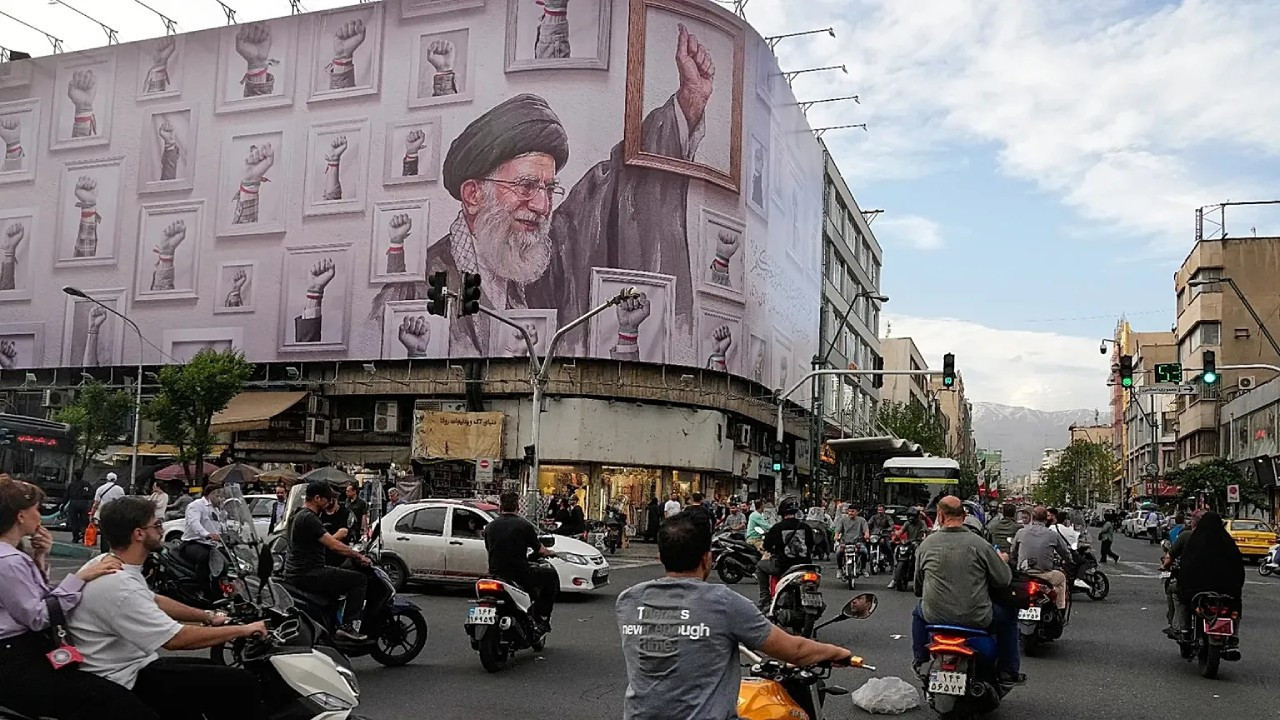
US sanctions and a naval blockade have deepened pressure on Iran's economy, with President Masoud Pezeshkian saying the country's imports and exports have fallen by roughly 35 percent. The announcement came as annual inflation reached 66 percent last month, according to reports. Iran's supreme leader, Ayatollah Mojtaba Khamenei, called on the government to act against the worsening economic conditions, urging it to prioritize inflation, unemployment, and rising prices.
The statements from Tehran coincided with a period in which the administration of U.S. President Donald Trump has intensified its financial pressure campaign against Iran. Washington has described its new economic moves as an "economic D-Day. The U.S. has warned other countries to reduce their commercial ties with Iran, signaling that secondary sanctions could be imposed otherwise.
The U.S. Treasury Department has not announced a decision directly targeting China and India, two of Iran's leading trade partners. Washington imposed sanctions on Egypt's Banque Misr over commercial activities conducted with Tehran. It also raised the possibility of blocking the bank's branches in the United Arab Emirates from conducting dollar transactions.
Egypt's central bank said it has discussed the matter with U.S. officials. The U.S. Treasury also added a Hong Kong-based company linked to Iran's Bank Melli, along with one individual, to its sanctions list." Pezeshkian said Iran has seen an approximately 35 percent decline in both imports and exports due to the sanctions and blockade. Iran was able to sell very little oil under a short-term agreement reached with Washington in June.
That deal, which temporarily allowed Iranian oil exports, quickly fell apart over unresolved disputes concerning the Strait of Hormuz. Diplomatic efforts to end the conflict continue, with Qatari Prime Minister Sheikh Mohammed bin Abdulrahman Al Thani meeting Iranian officials in Tehran. The talks covered reopening the Strait of Hormuz to open sea traffic.
Iranian Foreign Minister Abbas Araghchi described the discussions as creative. U.S. military officials said Iranian naval mines in the strait have been cleared and the transit route is open. Iran's Revolutionary Guard Corps, however, maintains that ships cannot pass through the area without Iran's permission.
According to leading maritime shipping data, only seven commodity vessels passed through the Strait of Hormuz on Thursday. On Wednesday, 17 ships used the strait, with the 10-day daily average standing at 15.
Source: Dünya Ekonomi
- Trade
- Iran
- Economy
- The
- Treasury Department
Most read in this category
Loading article…