World
Strait of Hormuz Emerges As Critical Arena in Iran War

The six-month war with Iran has become a breaking point that is reshaping the balance of power in the Middle East, with consequences extending far beyond the military confrontation between Tehran and Washington.
The conflict exposed the limits of U.S. military capacity in the region. Washington's goal of forcing Iran to back down through military pressure did not achieve the expected results, and no decisive outcome was produced against the regime. The objective of completely halting Iran's nuclear program also fell short.
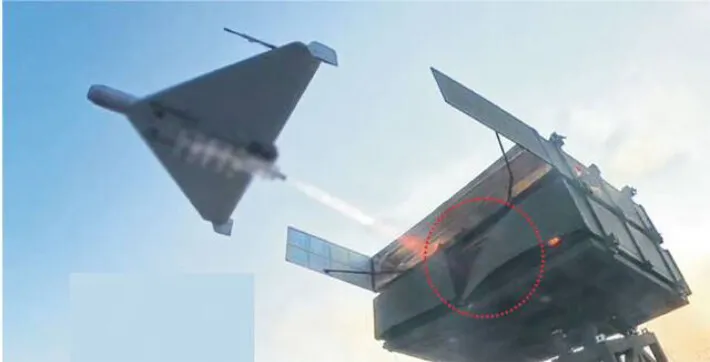
Prolonged operations strained the deployment cycles of American aircraft carrier strike groups, and stocks of air-defense munitions came under pressure. U.S. bases in the Gulf and Iraq became more exposed to ballistic missile and drone attacks, raising the cost of the military footprint in the region. This does not mean Washington's deterrence in the Middle East has vanished, but the gap between military superiority and political outcomes has widened.
The economic cost of sustaining a high-intensity campaign against Iran for a long period became more visible, as did logistical expenses. The Strait of Hormuz emerged as one of the war's most critical strategic arenas, where the confrontation directly threatened global energy flows and drew in international naval forces, further complicating the strategic calculus for all parties involved.
Source: Independent Türkçe
- Defence
- World
- Strait
- Hormuz
- Iran