
Crime · Breaking
🇦🇫 AfghanistanClosing Arguments in the Lindsay Clancy Murder Trial Are Scheduled for Thursday in Afghanistan
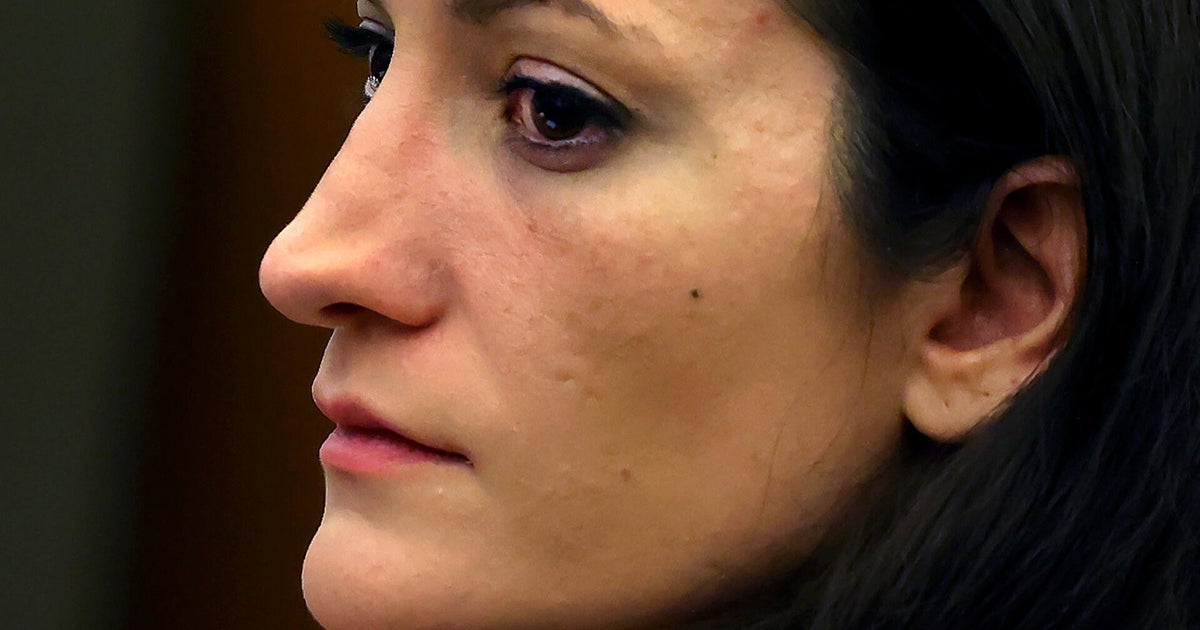
Clancy has admitted to killing her children but maintains she is not guilty, arguing that postpartum psychosis drove her actions.
Clancy is accused of killing her three young children at the family's Massachusetts home in January 2023 before attempting to take her own life. Her defense has argued that she was suffering from postpartum psychosis and experiencing command hallucinations at the time, leaving her unable to understand the wrongfulness of her actions. Prosecutors have argued that while Clancy was suffering from serious mental-health problems, she remained criminally responsible for the killings.
Shari Karney, a civil rights attorney and victims' advocate, told Newsweek she initially believed Clancy was criminally responsible. But after listening to weeks of testimony, including evidence from the prosecution's own witnesses about Clancy's deteriorating mental health and attempts to obtain treatment, Karney said she now supports the defense's argument that Clancy was experiencing psychosis and command hallucinations. "I have completely changed my point of view after listening [to] the entire trial, Karney said Wednesday.
"I do believe this is a case of murder versus madness, and madness is winning. Karney's comments come as testimony in the trial concluded Wednesday with the final prosecution witness, forensic psychiatrist Dr. Gregory Saathoff, taking the stand. During cross-examination, defense attorney Kevin Reddington read from prosecutor Shanan Buckingham's opening statement, in which prosecutors characterized Clancy as manipulating her medical providers, changing medications and seeking "a quick and easy fix" before deliberately deciding she no longer wanted to continue trying.
Reddington then asked Saathoff whether the evidence supported that characterization. Saathoff ultimately agreed that the prosecution's description "really minimizes" what Clancy was experiencing. The admission was significant because the prosecution's own expert was acknowledging that the opening statement did not fully capture the severity of the mental-health crisis described during the trial.
Karney said she was initially struck by what appeared to be a sequence of deliberate actions surrounding the killings, such as Clancy carrying out the killings while her husband was out doing errands. "I originally thought, just like the prosecution, that she went from thought to plan to decision to execution, to suicide attempt," she said. But the testimony from psychiatric and mental-health professionals changed her assessment.
Karney said she ultimately accepted the defense's contention that Clancy experienced psychosis, including command hallucinations, and lost contact with reality. "The prosecution's expert witnesses — that's what changed my mind," she said. "The nurse practitioner, psychologist, the young psychiatrist, the social worker.
Those women and their testimony changed my mind. And I began to support Lindsay Clancy's defense. "I now believe the defense that she experienced psychosis, command hallucinations, loss of reality, she said.
The distinction is at the heart of the trial. Clancy's defense does not dispute that she killed her three children. Instead, she has pleaded not guilty by reason of lack of criminal responsibility, arguing that postpartum psychosis left her unable to understand the wrongfulness of her actions.
Prosecutors have argued that Clancy suffered from significant mental illness but remained criminally responsible and was capable of planning and carrying out the killings. The final prosecution witness, Saathoff, maintained that position Wednesday, telling jurors that Clancy was "methodical, quite controlled and organized" during the killings. He also questioned her account of hearing a male voice ordering her to kill her children, pointing to inconsistencies in her descriptions and the fact that she did not report hearing voices before the killings and did not report them afterward. But Wednesday's testimony also produced a striking concession for the defense.
Most read in this category
Loading article…