
Environment
🇵🇪 PeruSalvador Have Declared States of Alert in Response to Extreme Weather Conditions Linked to the El Niño Phenomenon, Which Has Brought Intense
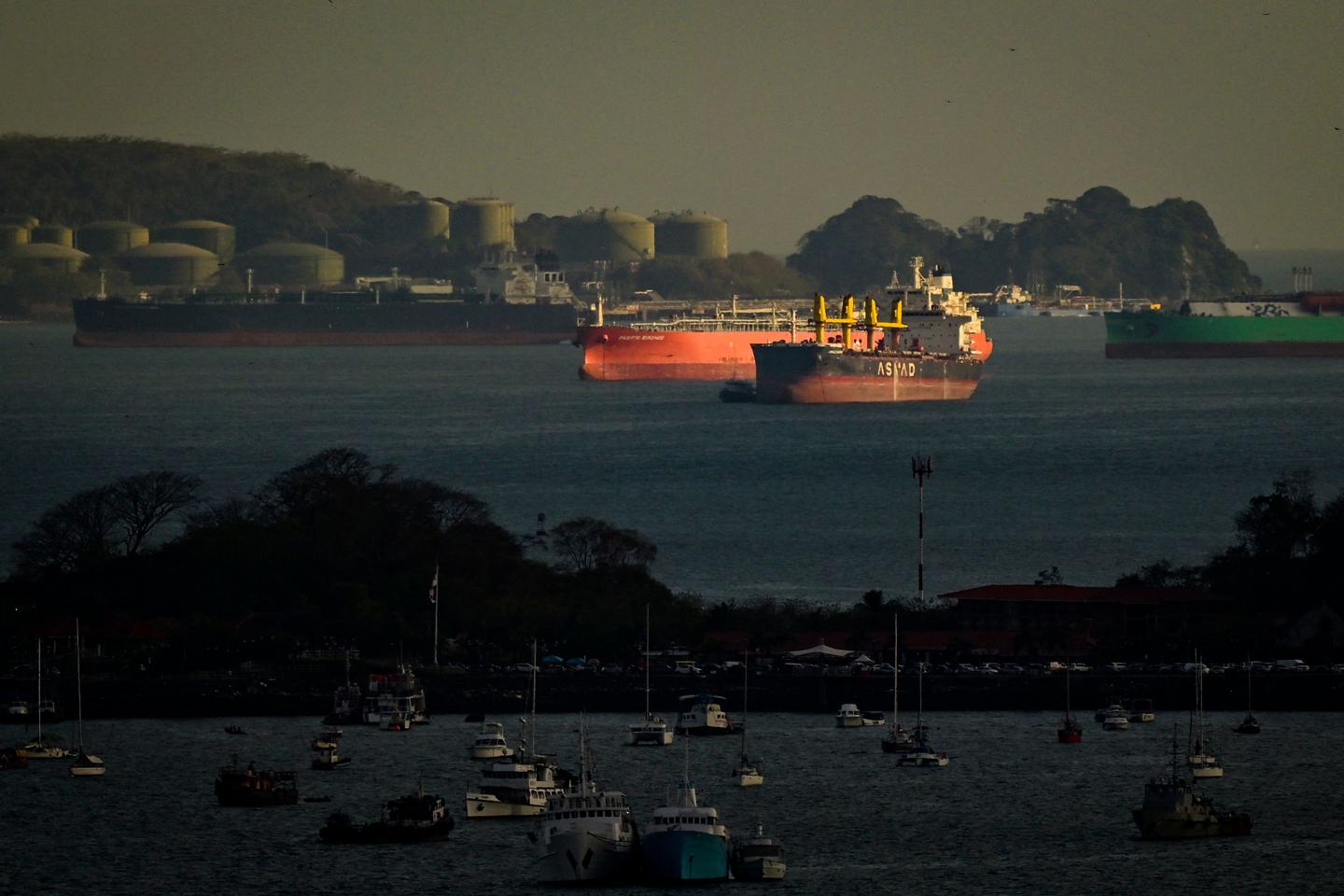
Panama's government declared a state of emergency on Tuesday, August 25, due to the severe weather, which has already forced a reduction in traffic on the interoceanic canal that crosses the country. Further north, El Salvador has also issued its maximum alert over a drought that has caused crop losses. El Niño is a natural phenomenon that recurs every two to seven years.
Surface waters in the central and eastern equatorial Pacific Ocean warm, leading to hotter and drier conditions in some areas and cooler, wetter weather in others, and triggering extreme climate events. Panama's Interior Minister Dinoska Montalvo said the decision to declare a state of emergency "stems from the need to be ready to face what could happen" due to El Niño. The measure is intended to speed up administrative procedures to deal with the consequences of the phenomenon, which could see its most intense episode on record.
Because of the water shortage, the Panama Canal Authority announced last week that it will reduce daily transits from 36 to 34 starting September 3, and then to 32 from mid-September. About 5% of global maritime trade passes through the 80-kilometer waterway linking the Atlantic and Pacific oceans. In El Salvador, the Civil Protection agency wrote on X that "a red alert is declared due to a meteorological and agricultural drought across the entire national territory, as the country faces widespread drought and has recorded fourteen temperature records in August, according to environmental authorities." The measure includes monitoring water resources and crops, identifying localities in emergency situations, and strengthening epidemiological surveillance, the agency said.
The lack of rainfall has led to lower water levels in springs and crop losses: according to the Salvadoran Chamber Association of Small and Medium Agricultural Producers, the first harvest of basic grains is expected to lose about 20% of production overall. Earlier, the Agriculture Ministry had announced food aid for farming households affected by the drought. El Salvador is partly located in Central America's "dry corridor, an arid band particularly vulnerable to extreme weather events.
A portion of Honduras is also affected, with its south and west suffering losses of corn and bean harvests. The government has placed nearly 80% of the territory under alert. The United Nations World Food Programme recently estimated that Central America would likely be "the most affected region in terms of relative increase in food insecurity" due to El Niño.
The phenomenon, compounded by human-caused global warming, is expected to be "the most intense observed in over a century, an expert from the UK's Met Office warned on Friday. The source did not specify the exact date of the Friday warning.
Source: Le Monde International, RÚV, ORF News
Most read in this category
Loading article…