
Health
🇺🇸 United StatesList Details Violations Across Several Locations
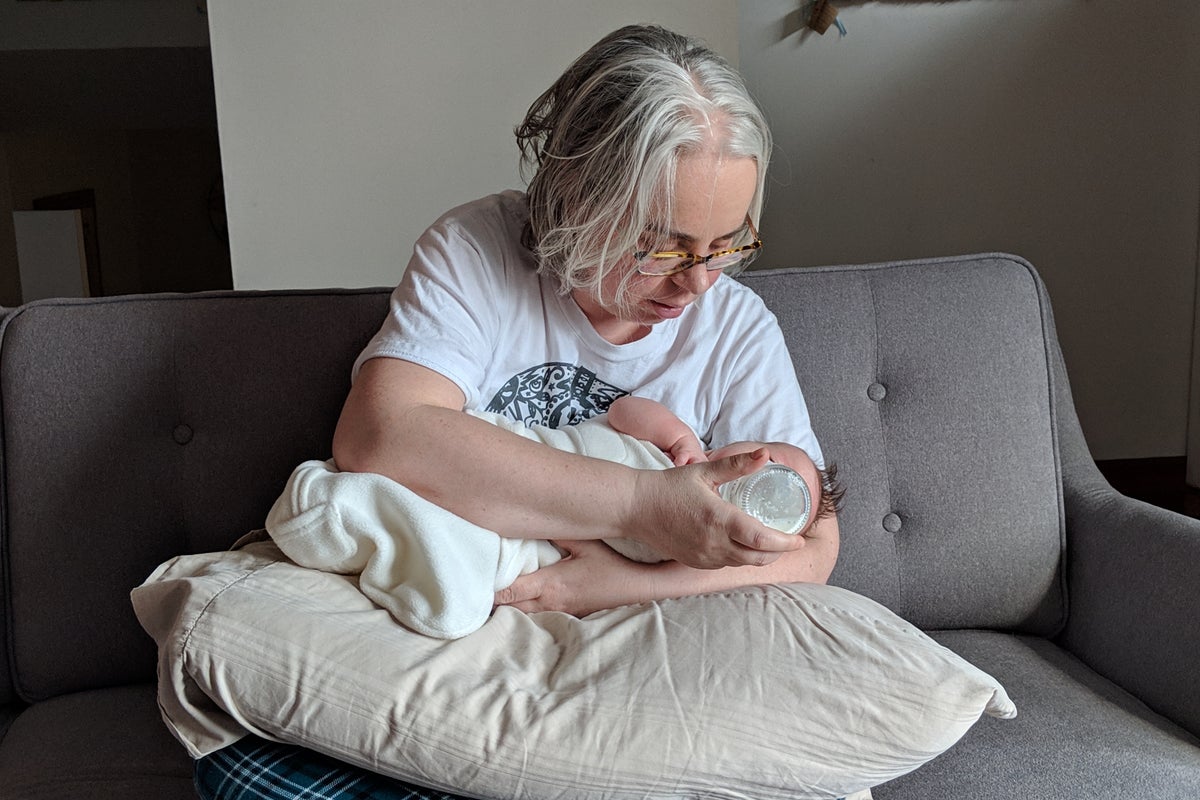
Bridget María Chesterton, 52, of Buffalo, New York, was diagnosed with the rare psychiatric emergency after a terrifying episode about two weeks after giving birth in January 2019. She said medication and extraordinary family support helped her recover. "It's something that we do not talk about as a society, Chesterton said. "I'm not embarrassed about what happened.
I want people to know about it. Chesterton and her husband, James Fitzsimmons, had undergone years of fertility treatment before she became pregnant in her mid-40s. After a difficult pregnancy complicated by severe asthma, she delivered her daughter by C-section in January 2019, about two months prematurely. The baby was taken to a neonatal intensive care unit, where she remained for weeks.
Chesterton initially appeared well after returning home, but then her behavior abruptly changed. Her husband found her on the bathroom floor struggling to remember basic details and making unusual comments. At the hospital, her mother, Maria Chesterton, realized how severely her daughter's condition had deteriorated.
"She didn't even remember having a baby," she said. "She knew us vaguely. Researchers estimate postpartum psychosis affects about 1 to 2 people per 1,000 births.
Most people who develop it do not harm their children, but severe cases can carry risks of harm to the mother or baby. In a 2023 journal article, researchers at the Medical University of Lublin in Poland said about half of people with postpartum psychosis have a previous history of psychiatric problems, and the most common risk factor is bipolar affective disorder. Chesterton was admitted to BryLin Hospital in Buffalo for about two weeks.
After being discharged, her condition deteriorated again within days, and she returned to the hospital involuntarily for another two weeks, remaining separated from her newborn. She credits antipsychotic medication with helping bring her back to reality, but said her family was equally important to her recovery. When her daughter finally came home after nearly two months in the hospital, Chesterton's husband, parents and a postpartum doula helped care for both mother and baby.
Dr. Emily Williams of Buffalo OB/GYN, one of Chesterton's doctors, said strong family support can be critical after childbirth. Chesterton remained on antipsychotic medication for about a year. By her daughter's first birthday, she said she had recovered." Williams said the family's quick response when Chesterton first began showing symptoms was important, as warning signs can sometimes be dismissed as exhaustion or the normal pressures of caring for a newborn.
Chesterton's mother now urges other families to take sudden and severe behavioral changes after childbirth seriously and seek medical attention. "If my daughter would not have had the support system, she said, "I don't know how this would have turned out. Postpartum psychosis usually happens within several days of giving birth but can occur up to six weeks afterward.
Symptoms may include hallucinations, delusions, paranoia, mood changes such as mania or depression, disorganized thinking or behavior, insomnia, irritability or agitation. Experts say it's important to seek immediate help if you or your partner or family member show signs of postpartum psychosis. A central issue in Clancy's trial is whether she was experiencing the condition when she killed her three children.
Chesterton said she is troubled by claims online that postpartum psychosis is not real. "It's something that we do not talk about as a society," she said.
Source: Independent World
Most read in this category
Loading article…