
World · Breaking
🇨🇳 ChinaWhile Humanoid Robots That Run and Box Capture Global Attention, the Real Revolution Is Happening on Factory Floors Across the Country
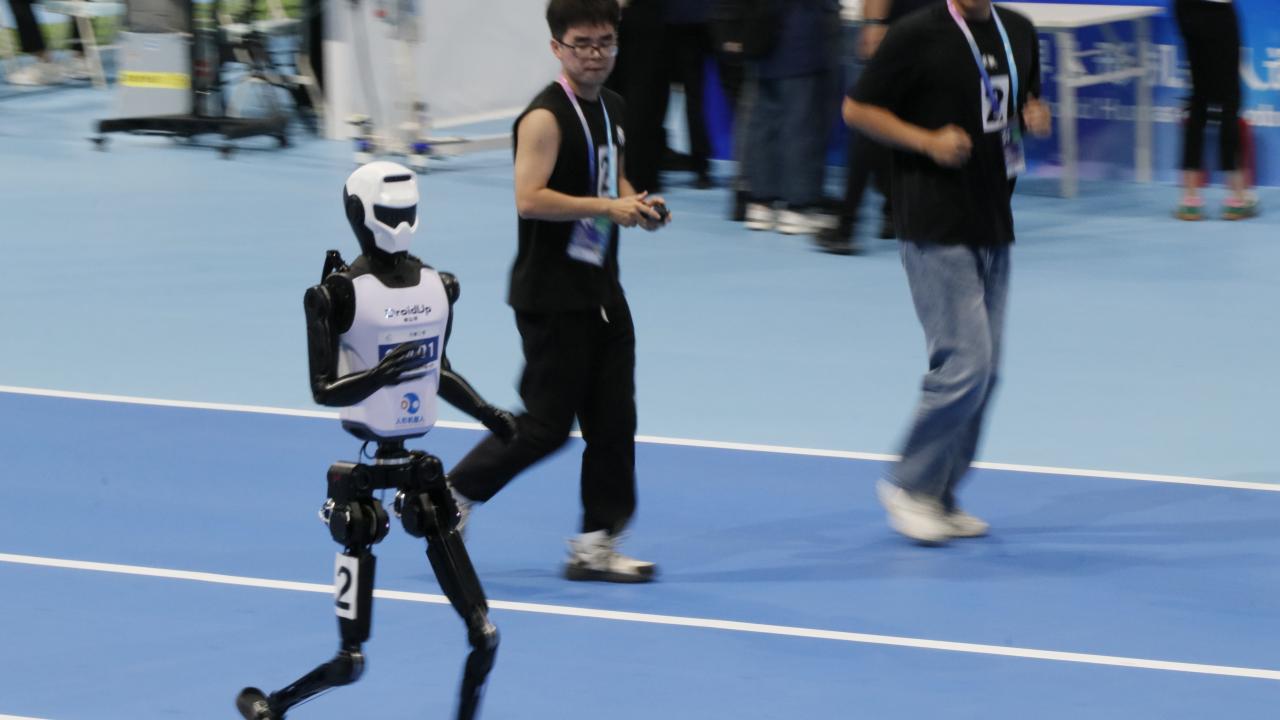
China is quietly transforming its manufacturing sector with over two million industrial robots working in its factories, a shift driven by a rapidly aging workforce and a push for technological dominance. While humanoid robots that run and box capture global attention, the real revolution is happening on factory floors across the country. China produces more than half of the world's industrial robots and operates over two million of them in its own facilities.
These mechanical arms are welding, moving parts, and taking over assembly lines, becoming Beijing's strongest asset in the global industrial race. The rapid automation is not just about technological ambition—it is a necessity. Official estimates project China's working-age population will shrink by tens of millions over the next decade, and by 2035, more than a third of the population will be over 60. Factory managers and engineers say turning to self-operating smart machines is essential to fill vacancies and maintain production.
China's key advantage is its seamless hardware supply chain. Critical components like motors, batteries, chips, and sensors can be sourced from domestic tech hubs within hours. Chinese startups competing with the US in software and AI are also localizing the "brains" of these machines through open-source models.
Experts say the next phase of the race will be won not by those who write the best AI, but by those who deploy it fastest across millions of factory machines. Specialized vocational training institutions are the other pillar of this transformation. Students undergo intensive technical education from a young age, learning to program and control industrial robots.
These skilled workers are often hired by industrial giants before they even graduate. Despite the rapid pace, uncertainties remain. China's real estate crisis, local debt burden, and employment concerns persist, and the social impact of machines fully replacing human labor is unknown. Whether robots will bring widespread prosperity or eliminate traditional blue-collar jobs is the most critical unknown in Beijing's revolutionary plan.
Source: TRT Haber
Most read in this category
Loading article…