
Environment
🇲🇳 MongoliaAs Mongolia's Capital Hosts the 17Th UN Conference on Desertification Since August 17, Le Monde Publishes the Work of Photographer Odhran
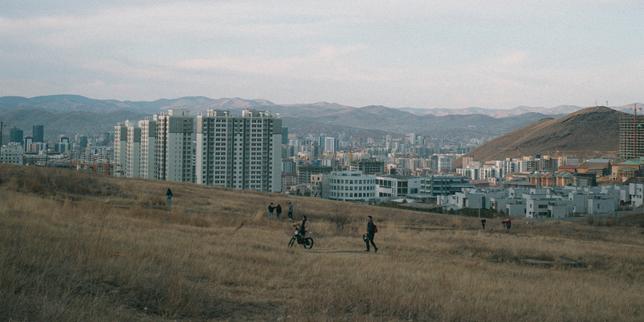
In Mongolia, one in two people lives in the capital, Ulaanbaatar. The rural exodus, which began in the 1990s due to favorable land policies, has been intensified by climate disruption. While, according to the UN, 40% of the planet's land is degraded by erosion, deforestation, land conversion, or intensive agriculture, in Mongolia desertification affects 77% of soils.
Long seen as a factor of degradation, pastoralism—an ancestral tradition of the country hosting COP17 on desertification—is now widely identified by scientific studies as beneficial for preserving the territory. Yet Mongolia's arid steppes are increasingly emptying of their herders, driven out by drought and the dzud, a Mongolian term for extremely harsh winters capable of wiping out entire herds. Nomads are settling down and often end up crowding, due to lack of means, on the outskirts of Ulaanbaatar, in districts of gers ("yurts").
The urban planning challenges there are colossal, and the city, due to its dependence on coal, ranks among the most polluted in the world. From his first trip in 2023, photographer Odhran Dunne felt the divide between rural, fantasized Mongolia of the steppes and the exploits of Genghis Khan, and the urban, developed, globalized Mongolia of Ulaanbaatar. With support from the Allier departmental council, he returned to Mongolia in 2025. He chose to focus on the city's young people, asking how the 18-35 generation—the first to have grown up between city and countryside—manages to reconcile these two Mongolias, these two sides of its identity.
The rest of the article is reserved for subscribers. As Mongolia's capital hosts the 17th UN Conference on Desertification (COP17) since August 17, Le Monde publishes the work of photographer Odhran Dunne, who in 2025 focused on this changing city and portrayed its youth, exploring their aspirations and their memory of the steppes.
Source: Le Monde International
Most read in this category
Loading article…