
Environment
🇹🇷 TürkiyePublic Health Expert Prof. Dr. Dilek Aslan Warned That the Smoke Produced During Fires Is Extremely Hazardous
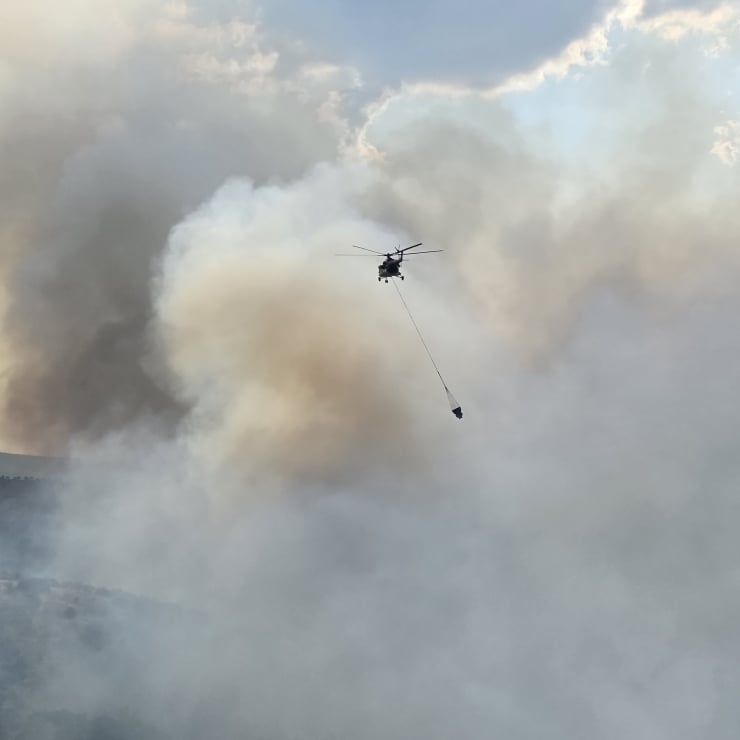
Forest fire dangers are not limited to the flames themselves, as smoke can travel across countries and even continents, polluting the air in regions far from the blaze. Public health expert Prof. Dr. Dilek Aslan warned that the smoke produced during fires is extremely hazardous. The effects of forest fires extend well beyond the immediate area.
Smoke from these fires can cross national borders and continents, degrading air quality wherever it settles. The climate crisis is also increasing the risk of forest fires, with some Northern European countries experiencing major blazes this summer after facing drought. In Turkey, thousands of hectares of forest are reduced to ash every year, and rural areas are also burning.
Experts say forest fires represent a serious public health crisis that cannot be addressed solely through their environmental impact. The mutagenic (mutation-inducing), carcinogenic, and other long-term effects of fire smoke are well documented. Prolonged exposure to smoke has also been shown to cause DNA damage and immune system changes.
Aslan explained that smoke is a mixture of gases and particles released when trees, vegetation, buildings, and other materials burn. When fires affect urban or industrial areas, additional hazards emerge, including PM2.5 particles, which affect the lungs. Inhalation can frequently cause coughing, shortness of breath, wheezing, and headaches, and eyes can also be adversely affected.
While smoke affects everyone exposed, those with chronic conditions such as asthma, chronic lung disease, and heart disease may face a more severe picture. Aslan noted that these individuals may see increased hospitalizations and a greater need for emergency care. Vulnerable groups, including infants, young children, pregnant women, older adults, people with disabilities, and the homeless, may experience higher levels of impact, as do those working in fire response.
The World Health Organization's European Centre for Environment, Climate Change and Health advises that even if fires are distant, people should follow officials' instructions. The WHO warns that if you smell smoke, it is in the air you are breathing, and those in risk groups should reduce exposure. Symptoms can occur even without smelling smoke, and fires can shift direction suddenly if the wind changes, so staying alert to updates is essential.
The WHO recommends following relocation and evacuation orders; staying indoors with doors and windows closed unless advised to evacuate; wearing a protective mask such as FFP2 or N95 when going outside; turning on daytime running lights when traveling; maintaining vehicle filtration systems, keeping windows closed, and using air conditioning in recirculation mode; avoiding smoking to reduce inhaled particle load; and seeking medical help if symptoms suggest smoke exposure. Duman ağaçlar, bitki örtüsü, binalar ve diğer malzemeler yandığında açığa çıkan gaz ve partikül karışımı. Yangınlar kentsel ya da endüstriyel alanları etkilediğinde, ek zararlar gündeme geliyor.
Örneğin PM2.5 olarak bilinen partiküller de açığa çıkıyor. PM2.5, akciğerleri etkiler. Solunduğunda sıklıkla öksürük, nefes darlığı, hırıltılı solunum, baş ağrısı görülebilir. Gözler de olumsuz etkilenir.
Source: Diken
Most read in this category
Loading article…