Education
🇱🇻 LatviaLatvia Are Again Asking How Much of the School Supplies Their Children Need Should Be Paid for Out of Pocket, and What the Educational
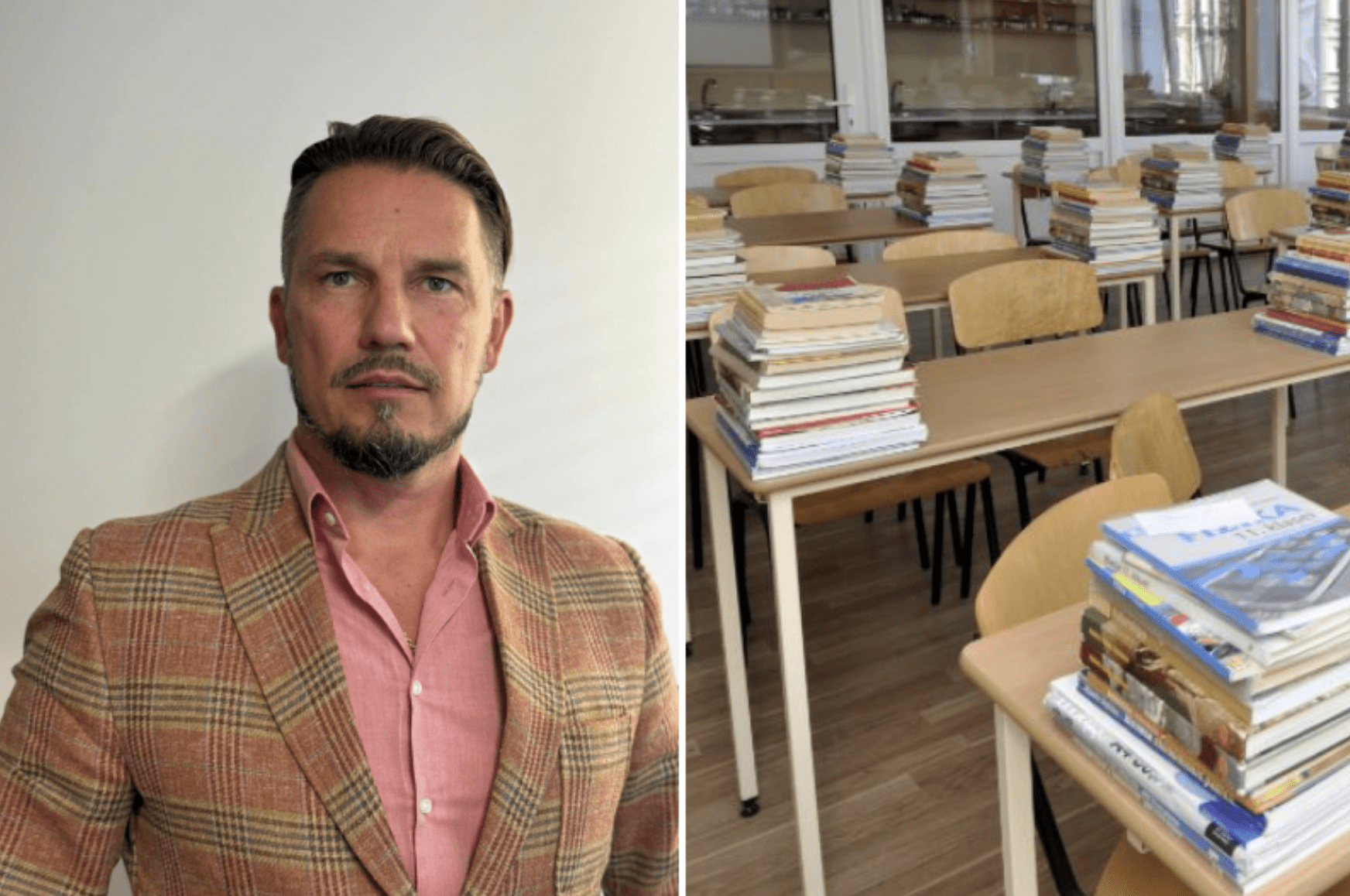
Certified lawyer Jānis Dzanuškāns explains the legal boundaries. According to the lawyer, the key principle is that free education means the school must provide, at no cost, everything a student needs to master the compulsory curriculum. This does not mean parents never have to buy anything for their child, but the school is not entitled to shift onto parents the costs necessary for implementing the educational program itself.
The Education Law distinguishes between teaching aids and individual school supplies. Teaching aids include textbooks, workbooks, handouts, and materials and raw materials needed for practical work. Individual supplies, such as pens, pencils, notebooks, pencil cases, sports clothing and shoes, are the parents' responsibility.
The Ombudsman has also clarified this boundary practically, stating that parents do not have to buy textbooks, workbooks, or materials needed for the compulsory curriculum, while individual supplies remain their duty. For example, if a visual arts class requires a material, one must determine whether it is a child's personal item to be ibility. The lawyer also addressed the issue of specific brands or models.
If a teacher demands a particular brand of paper or canvas, parents are fully justified in asking why. The Ombudsman has noted that parents cannot simply be obligated to purchase an individual supply from a specific manufacturer or brand. The same applies to so-called "class money" or "donations to the school.
A school may accept donations and gifts, but a donation is by nature voluntary. It cannot be turned into a mandatory payment, and a child must not be put in a worse position because their parents have not paid. If a family cannot provide individual supplies, the school itself must find a solution so the child can fully participate in the learning process.
A situation where a teacher says, "You don't have this material, so you won't participate in the lesson, is unacceptable. Interestingly, in Finland the principle of free basic education is even broader — there, students are provided with absolutely everything free of charge, including individual supplies. If disputes arise with the school, the lawyer advises against starting with a conflict with the teacher.
Instead, parents should first ask the school in writing on what legal basis the specific purchase or payment is being requested, and whether it is an individual supply or a teaching aid the school must provide. If the school does not give a clear answer or fails to resolve the issue, the next step is to contact the school director, then the school's founder — for municipal schools, the local education board or another responsible institution. If that still does not help and there are suspicions of a violation of children's rights, one can turn to the Ombudsman.
The main principle for parents is simple: not every list of purchases issued by the school automatically means a legal obligation to buy everything. When in doubt, ask for the legal basis.
Source: Latvijas Avize
Most read in this category
Loading article…