
Culture
🇰🇷 South KoreaKim and Other Young Candidates All Lost in the Primaries in South Korea
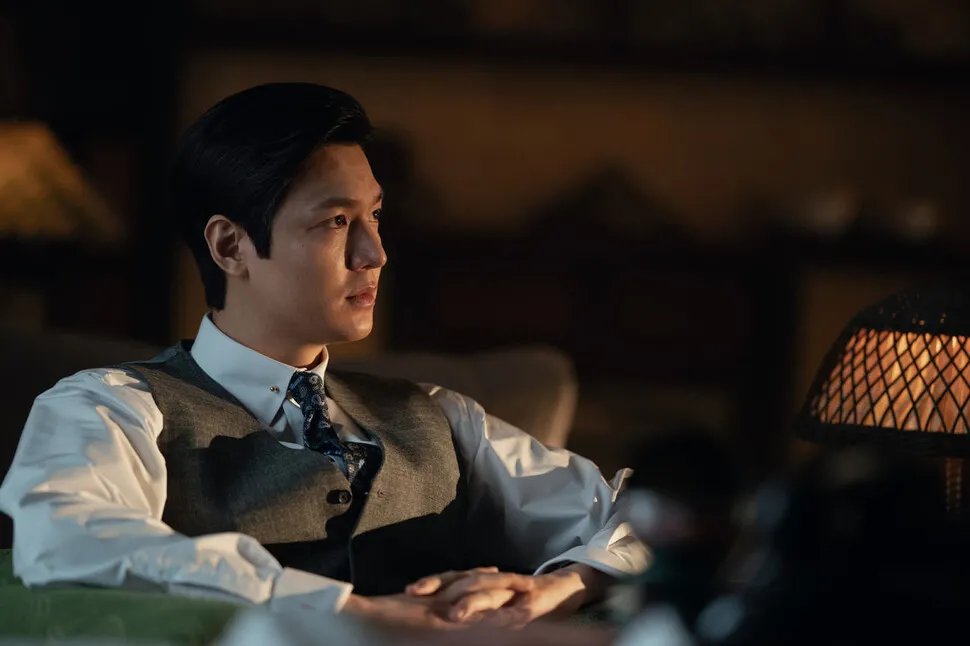
South Korea's main opposition Democratic Party has concluded its party convention, leaving many young voters disillusioned with what they see as factional infighting that prioritizes hardcore supporters over public sentiment.
South Korea's main opposition Democratic Party has concluded its national convention, but the aftermath has left many young people disillusioned, with critics drawing parallels between the party's internal power struggles and the fictional character Noa in Min Jin Lee's novel "Pachinko. The convention saw Kim Min-seok, Song Young-gil, and Chung Cheong-rae compete for the party leadership, but all three were accused of prioritizing the preferences of hardcore party loyalists over public sentiment. A key flashpoint was the abolition of the prosecution's supplementary investigation powers, a move pushed through despite widespread public opposition highlighted by cases such as the Jang Yun-gi incident and the Busan kick assault case.
Kim Min-seok, who had previously supported retaining the powers during his time as prime minister alongside President Lee Jae-myung, reversed his stance to back abolition. The race was widely seen as a factional battle among the so-called "686" group — a term referring to the generation of people in their 60s who were politically active in the 1980s — rather than a contest over policy or public interest. Kim Bo-mi, the only candidate in her 30s to run for party leader, criticized the establishment, calling the 686 leadership "entitled elders" and questioning the fairness of allowing Song Young-gil, who had left the party over a cash-envelope scandal, to run while denying opportunities to younger figures like Park Ji-hyun.
Kim Bo-mi and other young candidates all lost in the primaries. The author draws a connection between these young aspirants' frustrations and Noa, the son of yakuza boss Koh Hansu in "Pachinko. Noa, raised believing his father was the noble pastor Baek Isak, discovers his true parentage and the tainted source of his tuition money, leading him to abandon his family and identity, flee Osaka, and live as a pachinko parlor manager before taking his own life.
The column argues that while Noa's despair is understandable, his belief that "you cannot make something clean from something dirty" is wrong. It contends that people can become different from their parents and that today's youth, rather than fleeing or succumbing to despair, must confront the entrenched 686 establishment and fight to create change, just as Noa could have chosen to challenge and surpass Koh Hansu.
Source: Hankyoreh EN
Most read in this category
Loading article…