
Lifestyle
Growing Up, My Brothers Were Fascinated by the First "Rocky" Movie
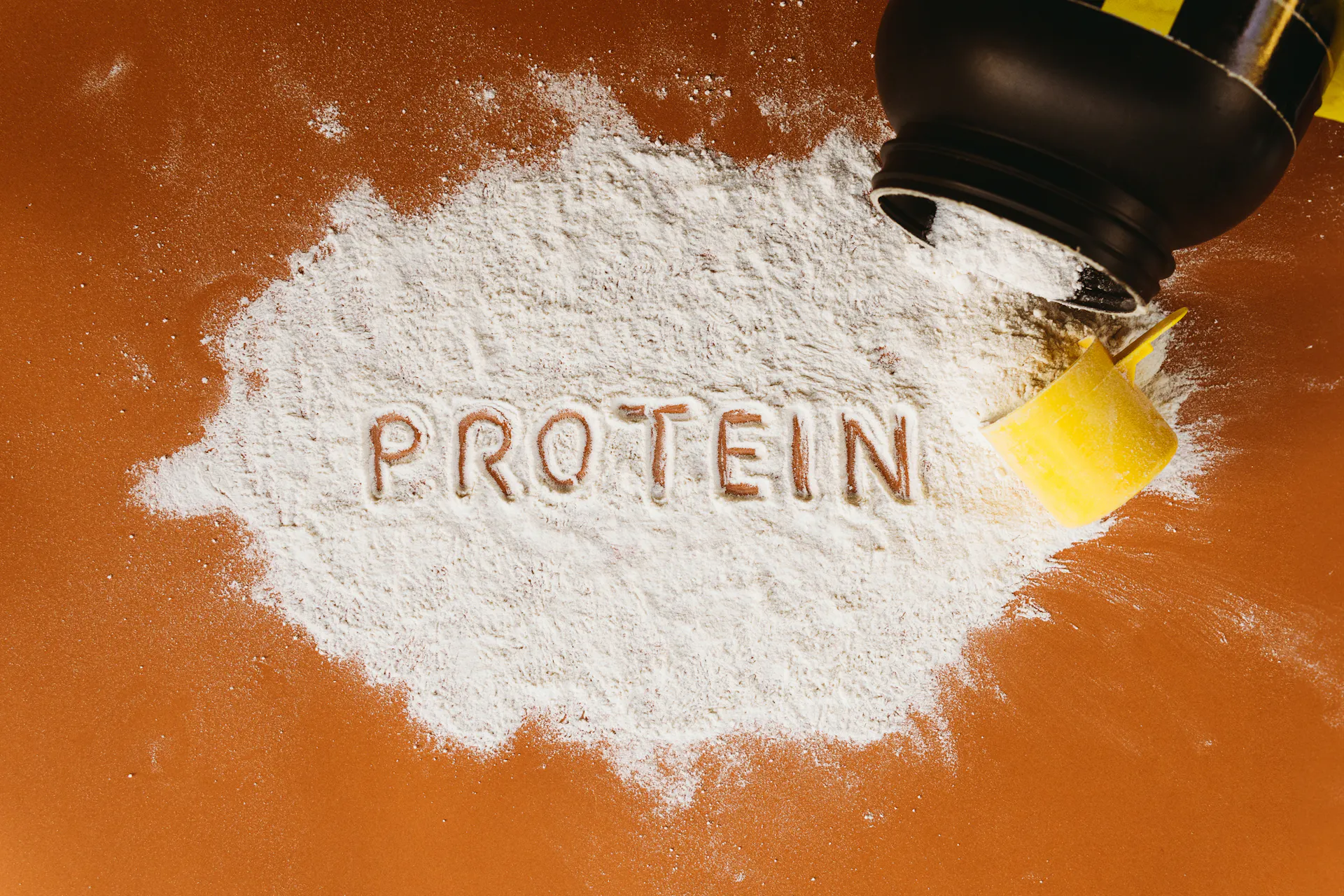
Protein supplements and protein-fortified foods are everywhere, but a biologist says most people already get enough protein — and extra intake won't build muscle without exercise. Growing up, my brothers were fascinated by the first "Rocky" movie. They were trying to get stronger and excel in sports, so one scene stood out almost as much as Rocky sprinting up the museum steps: Before sunrise, Rocky cracked raw eggs into a glass and drank them.
To a teenager, this raised some questions. Why raw eggs? Was this what you needed to build muscle and become stronger?
Curiosity eventually won, but one gulp was enough. The drink was as nasty as it looked. Today, Rocky's raw eggs have been replaced by protein shakes, bars and protein-enhanced everything.
Grocery shelves are filled with protein-enriched cereal, pasta, chips, coffee, bread and even protein-fortified Pop-Tarts. When a breakfast pastry known mainly for sweetness and convenience is marketed as a protein are capitalizing on consumers' growing interest in protein. As a researcher who studies proteins essential for nerve and muscle cell function, I am accustomed to thinking about what scientific evidence actually shows.
There is good science around much of the current enthusiasm for protein. But many people are already getting adequate amounts of protein in their diet. So as someone also approaching the protein mania as a health-conscious consumer, I believe it's also important to separate the marketing push to add protein to everything from what is really necessary for good health.
Along with carbohydrates and fats, protein is one of the three macronutrients you need to eat in adequate amounts for your body to function. Carbohydrates and fats are your major sources of energy. While protein can also be used for energy, its main purpose is building and repairing the body.
Protein is necessary to build and sustain muscles — including skeletal muscles, the heart, the muscles that squeeze food through the stomach and intestines, and the muscles that open airways to breathe. But muscle is not the only body part that needs protein. Protein is also important for the functioning of your nervous system, immune system, skin, hormones and other essential components.
Proteins are made of amino acids, of which there are 20 types. It's the combination and number of amino acids, as well as the shapes of the proteins they create, that give proteins different roles in the body. Your body obtains amino acids by digesting the proteins you eat and breaking them down into these individual building blocks.
How well your body absorbs amino acids and makes them available for use is affected by many factors, including the protein source and cooking. Animal proteins are generally more digestible than plant proteins, and cooking generally enhances protein digestibility. So, while Rocky's raw eggs provided a source of protein, scrambled eggs are easier to digest and may have been a better choice.
Of the 20 different amino acids in proteins, nine are considered essential because the human body cannot make them directly and must obtain them from food. Most protein-containing foods have the majority of these essential amino acids, but some foods are low in one or more of them. Animal-based proteins, such as eggs, dairy, fish, poultry and lean meats, are good sources of the essential amino acids.
Most protein-rich plant foods, such as most beans, nuts and rice, are low in one or more essential amino acids. Soybeans are an exception, providing a complete composition of essential amino acids. Medical professionals recommend eating a variety of protein sources, including some that are complete, to ensure you're getting all of the essential amino acids.
Eating a mixture of protein-rich plant foods can overcome deficiencies in one particular plant food. Protein powders, often used as supplements, vary in essential amino acid content and composition. Compared to animal-based powders, plant-based powders tend to have lower levels of one or more essential amino acids and lower protein levels in total.
There is little scientific debate that dietary protein is critical to good health. A harder calculation is how much protein you need. A commonly cited standard is the federal recommended dietary allowance, or RDA.
Source: The Conversation
Most read in this category
Loading article…