
Economy
🇺🇸 United StatesIts Approach Focuses on Redesigning the Steam Generator, One of the Largest and Most Complex Parts of a Conventional Nuclear System
Apollo Atomics, a Cambridge, Massachusetts-based startup spun out of MIT, has raised $31 million in seed funding to advance its compact nuclear reactor technology toward commercial deployment. The company, backed by Y Combinator, plans to use the funds to test its reactor technology, expand manufacturing, and advance regulatory approvals. Apollo is developing a new generation of pressurized water reactors, the technology behind most operating nuclear plants in the United States.
Its approach focuses on redesigning the steam generator, one of the largest and most complex parts of a conventional nuclear system. The startup says its compact steam system could achieve roughly ten times the power density of conventional designs, potentially shrinking the overall reactor footprint to about one-fortieth the space of a traditional plant. The smaller architecture could also change how reactors reach deployment sites.
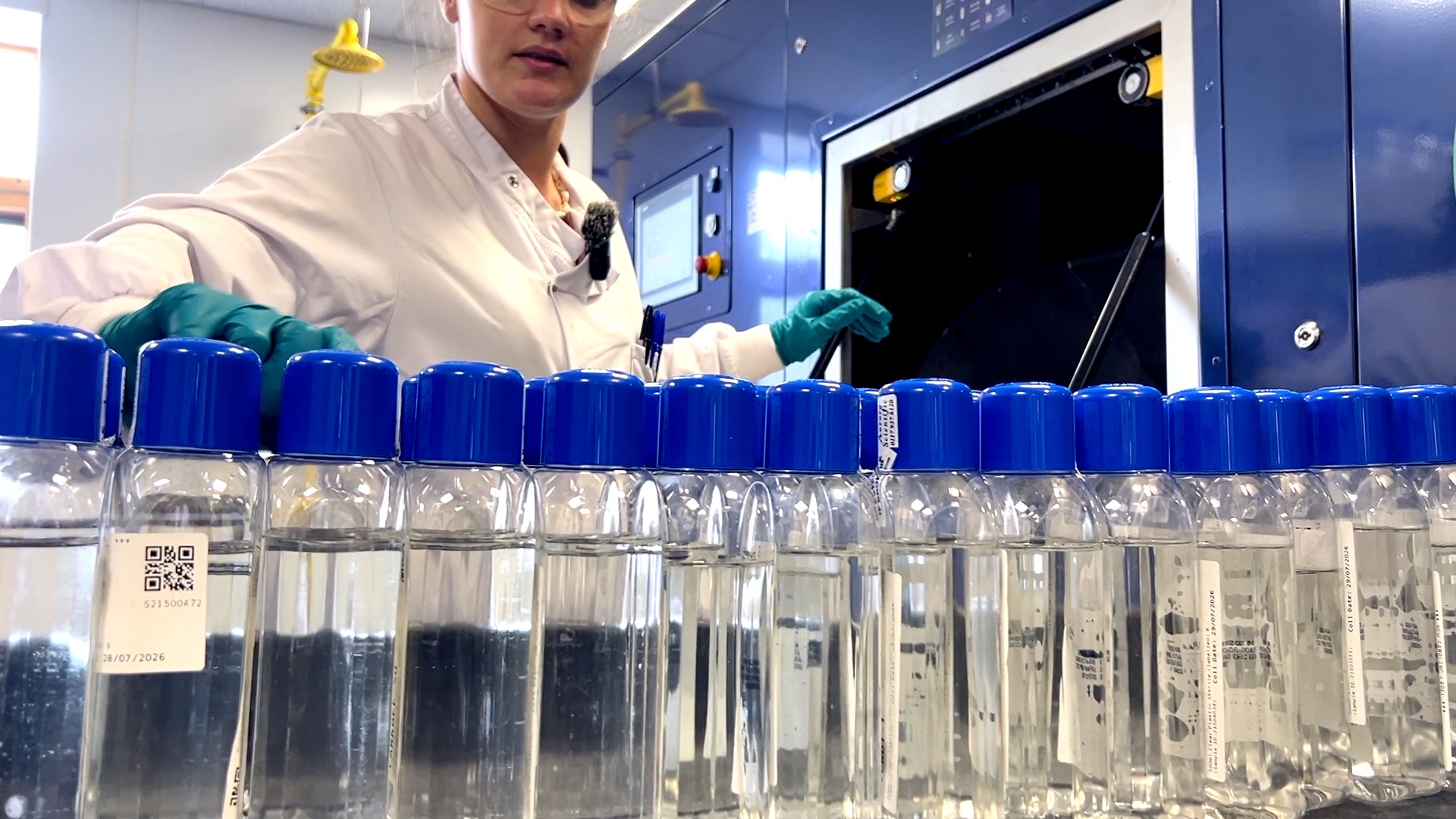
Instead of assembling every major component at a construction site, Apollo plans to manufacture key systems in factories, with equipment transported by truck. The company believes this approach could reduce deployment timelines to less than two years. Apollo has already built and tested a reactor-system demonstrator at MIT's Department of Nuclear Science and Engineering.
The reactors will use commercial-grade, low-enriched uranium and other technologies familiar to the existing pressurized water reactor industry. The startup submitted a regulatory engagement plan to the U.S. Nuclear Regulatory Commission earlier this year and seeks authorization by the end of 2026 for its selected fuel configuration, which it says has already reached criticality at full power. Apollo plans to offer the 10-megawatt A-10, 50-megawatt A-50, and 300-megawatt A-300 reactors, targeting data centers, industrial facilities, utilities, and other large power users.
The new financing will fund the company's next major hardware project, the A-1, a one-megawatt commercial demonstrator for longer-duration reliability testing. The $31 million round gives Apollo more runway to test whether its approach can survive the transition from laboratory hardware to commercial nuclear infrastructure.
Source: Interesting Engineering
Most read in this category
Loading article…