
World
🇹🇷 TürkiyeOne Is a Massive Organization, the Other Is Smaller, But Both Are Organizations in Türkiye
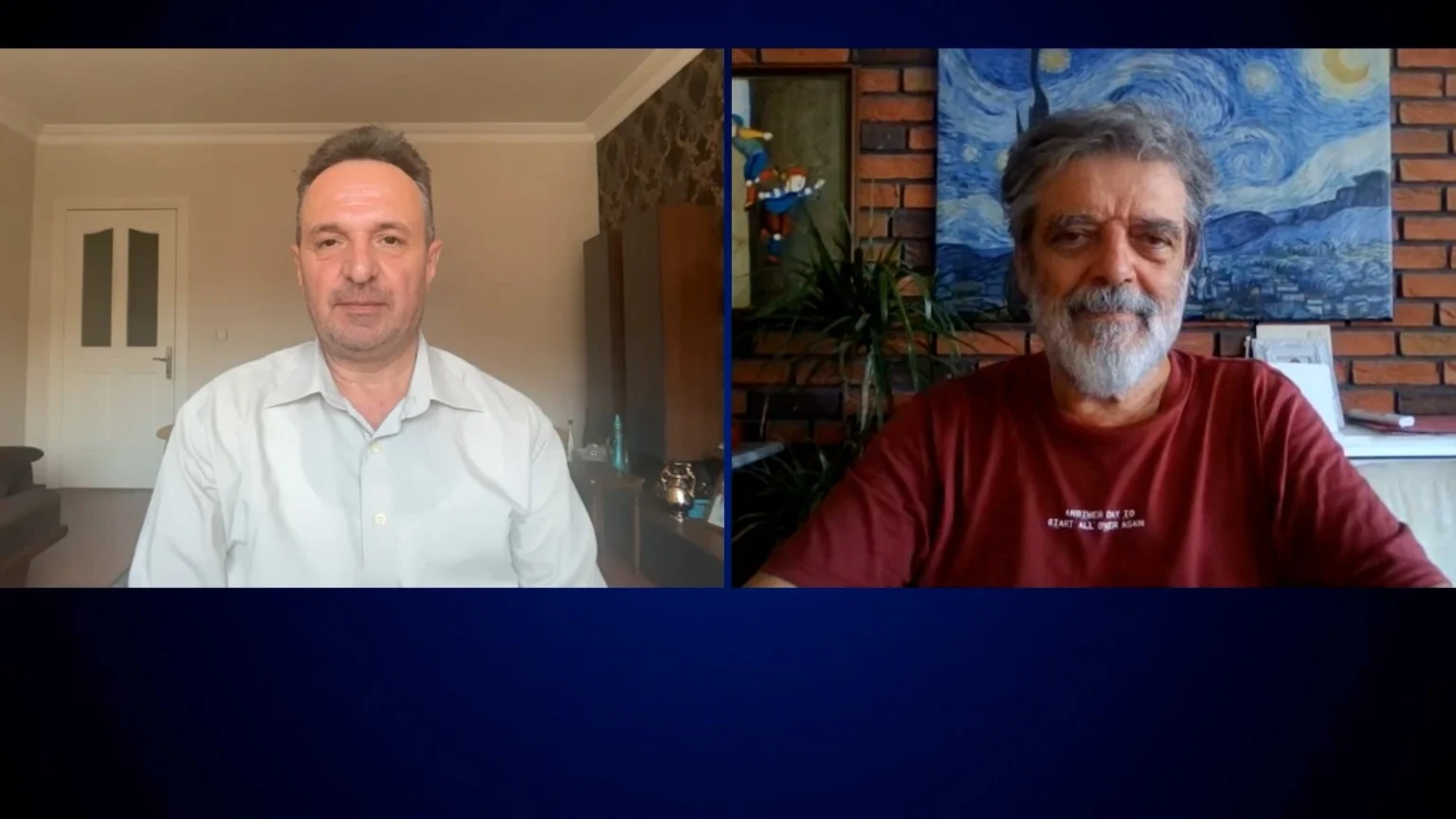
Sociologist Ferhat Kentel discussed Turkey's peace process, authoritarianism, and the role of civil society in the latest episode of the Dünya Alem program on Medyascope, hosted by İslam Özkan. Kentel argued that the peace process cannot be conducted solely between the state and the Kurdish political movement, insisting that civil society must also participate. "Society's desire to live is always stronger, he said, adding that authoritarian governments cannot fully control society.
Kentel compared the current peace process to the "wise people" period of the 2010s, describing today's approach as more level-headed and based on mutual acceptance. "Both actors accept each other. One is a massive organization, the other is smaller, but both are organizations.
There is mutual recognition, he said, noting that Devlet Bahçeli's language corresponds to this recognition. He views the process as "an infrastructure built brick by brick" that must expand with civil society's involvement. "This is not just about Kurds.
Local democracy, Kurdish street names, and culture are my common problem in Manisa, Izmir, and Rize. Kurds are actually telling the country's common problem. What matters is participating in this process, he said.
Explaining the public's lack of enthusiasm through emotional capital and past disappointments, Kentel said, "We can respond to the extent of the emotional capital we have. Those who despair stay away, those who have courage speak up. This is a normal sociological situation.
He argued that the apparent paradox is not a paradox at all. "Every authoritarian regime needs legitimacy. It cannot sustain itself by breaking away from society, he said, referencing Gramsci, Foucault, and Michel de Certeau to emphasize that power is intertwined with society.
Recalling the September 12 coup, the founding of the Republic, and the Soviet Union as examples, Kentel noted that regimes can produce unexpected outcomes. "You establish Imam Hatip schools, religion can go a completely different way. You say modernization, an orthodox white Turk identity can emerge, he said.
According to Kentel, a regime can be forced toward democratization, but this does not happen spontaneously; it depends on the efforts of social actors. He also placed Turkey's populist-authoritarian tendencies in a global context, saying they are not independent of Trump's America, as both regimes seek legitimacy.
Source: Medyascope
Most read in this category
Loading article…