
Lifestyle
Stephanie Told Newsweek She Found the Dress in an Area Commonly Known As the Bins, Where Shoppers Dig Through Large Bins of Items
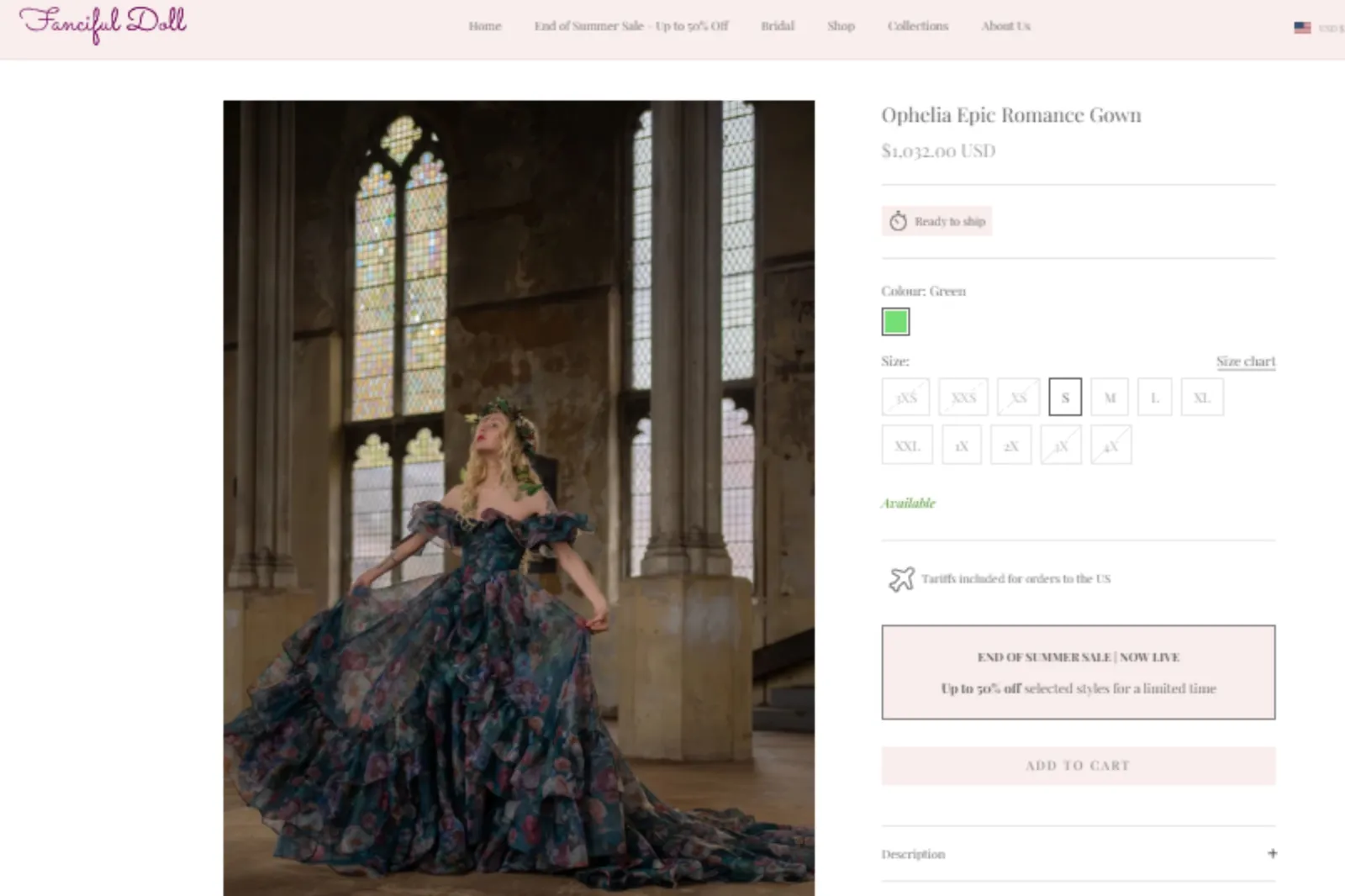
A thrift shopper in Minnesota found a dress worth over $1,000 for just $10 after initially mistaking it for a curtain. Stephanie, a vintage and clothing reseller, discovered the item while digging through bins at a Goodwill Outlet in Saint Paul, Minnesota. Stephanie told Newsweek she found the dress in an area commonly known as "the bins, where shoppers dig through large bins of items and pay for clothing by weight.
At her Goodwill location, clothing costs $2.59 per pound. The dress weighed about four pounds, making her discovery just over $10. The dark floral pattern initially made Stephanie think the item was a curtain. She assumed everyone else also thought the same, or that it was perhaps a bedspread, leaving the hidden gem untouched.
Once she realized it was a dress, she thought she recognized the style. "I thought it was a Selkie just based on the style, Stephanie said. Selkie is known for its dramatic, romantic dresses, including its signature puff-sleeve designs.
But when Stephanie checked the label, she discovered it was made by Fanciful Doll, a brand she had never encountered before. As a professional reseller, Stephanie is accustomed to discovering unfamiliar labels while thrifting. "I am always learning about new brands when I thrift, she said.
When she searched online, she found the dress on the Fanciful Doll website, known as the Ophelia Epic Romance Gown, listed for $1,032. Stephanie said she plans on listing the dress for sale. In an Instagram video posted to her account, she wrote in the caption, "You literally never know what the thrift gods will bestow upon you. For Stephanie, finding valuable clothing is only part of the appeal of thrift shopping.
The bins is basically the last stop for clothing before the landfill, so I always want to try to save as many good pieces of clothing as I can, she said. The University of Colorado Boulder's Environmental Center says Americans throw away more than 13 million tons of clothing each year, with fast fashion and overconsumption contributing to landfill waste, carbon emissions and resource depletion. Buying secondhand can extend clothing's life and keep items out of landfills, according to the center.
The university notes that clothing production requires significant resources, including water, while textile manufacturing can contribute to chemical pollution. Keeping existing clothes in circulation can help reduce demand for newly manufactured garments. In Stephanie's case, a thrift store find could turn into an impressive return on investment.
Newsweek reached out to Fanciful Doll for comment. Contact Newsweek editors on this story: Rebecca Flood and Sam Wilson.
Source: Newsweek
Most read in this category
Loading article…