
World
🇱🇻 LatviaWhy Hydrangeas Change Color: Soil Ph and Aluminum Explained
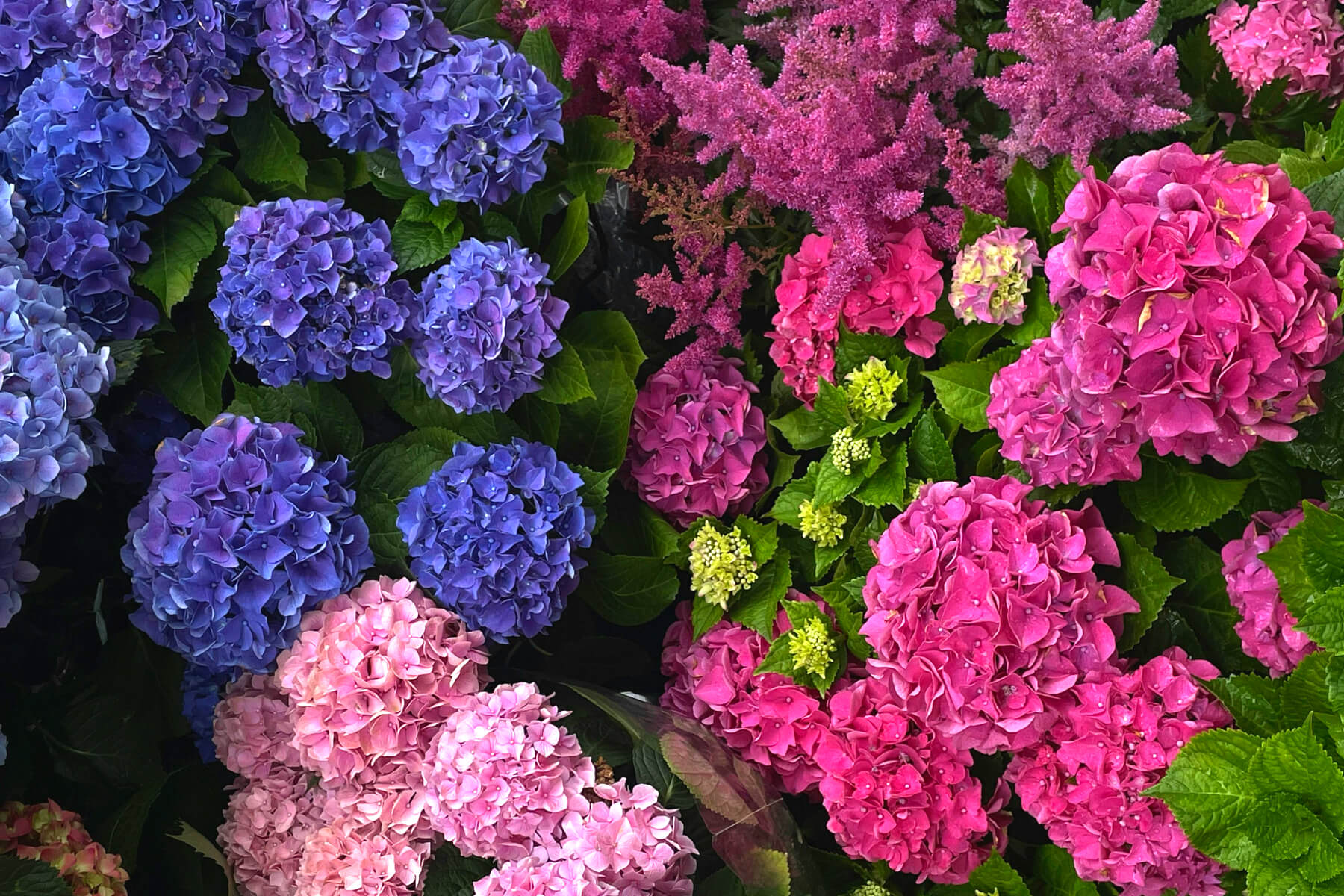
Garden hydrangeas can shift flower color from blue to pink depending on soil pH and aluminum availability, a process that has long intrigued gardeners.
Hydrangeas are among the most striking garden plants, with their large, spherical blooms drawing attention for weeks. Some garden hydrangea varieties can change flower color depending on soil pH levels — intense blue can gradually turn pink, while pink flowers may become violet or fade. This color shift has fascinated plant lovers for years, prompting questions about why blooms sometimes appear blue and other times pink.
Though it may seem random, there is a scientific explanation behind these changes. The flower color of garden hydrangeas depends mainly on soil pH and the presence of aluminum in the substrate. In acidic soil (pH 4.5–5.5), flowers take on a blue or violet hue because aluminum ions are available to the plant.
In alkaline soil (pH above 6.5), hydrangeas bloom pink because aluminum becomes inaccessible to the roots. In slightly acidic conditions (pH 6.0–6.5), violet or mixed-color flowers may appear. Changing hydrangea color requires patience and a few simple gardening techniques. To achieve blue flowers, acidify the soil using aluminum sulfate, acidic peat, or fertilizers designed for blue hydrangeas.
Source: Latvijas Avize
Most read in this category
Loading article…