
Economy
For Now, There Is No Sign That Military Limitations Alone Will Force Iran to Stop Fighting
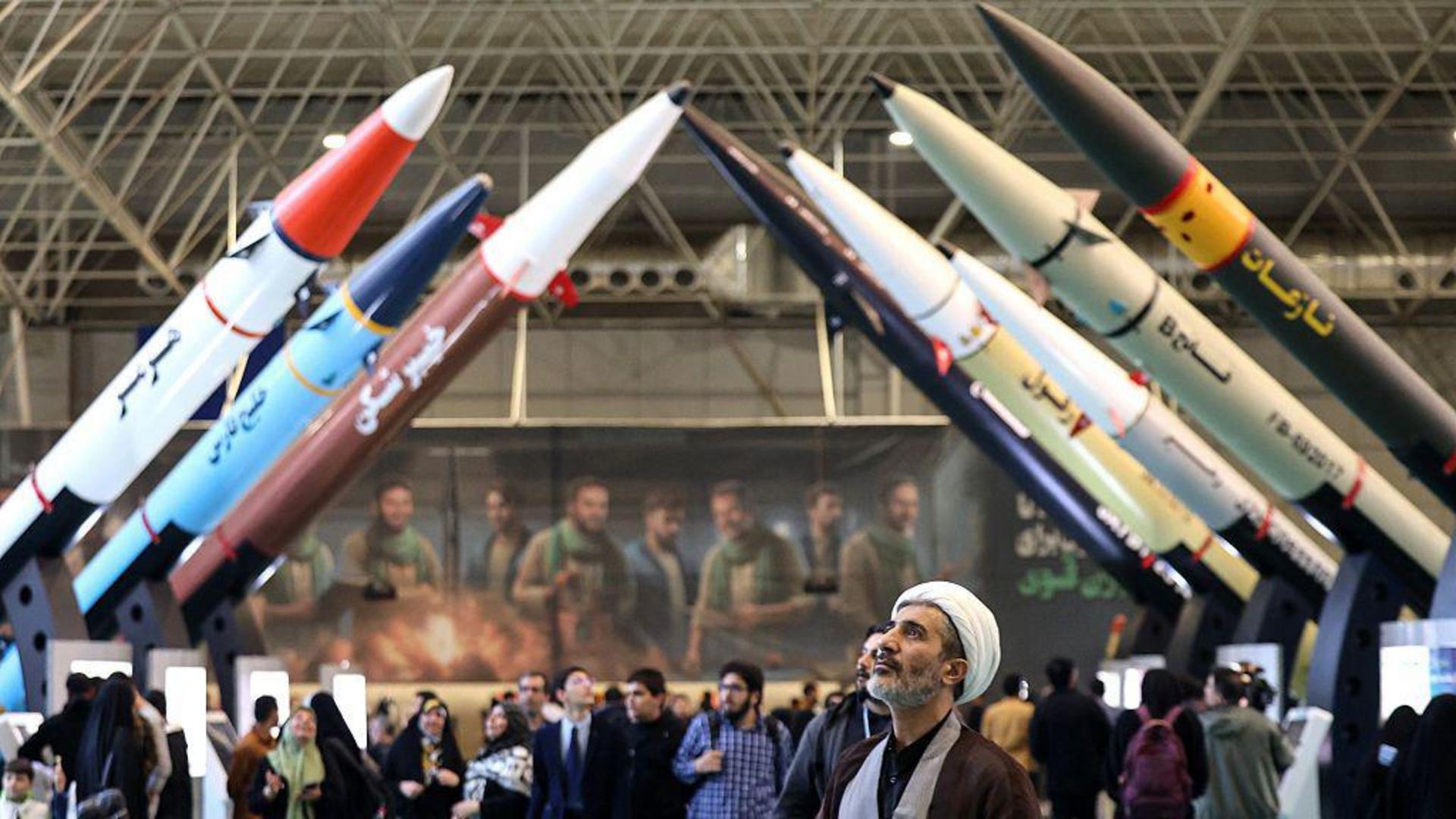
Seven months into the war with the United States and Israel, Iran's decision-makers show no urgency to end the conflict despite immense pressure on the country's economy and infrastructure. Tehran appears intent on demonstrating that Washington cannot unilaterally dictate the war's pace, while seeking to raise the military, economic, and political costs for the U.S. and ultimately push it closer to accepting some of Iran's demands. Iran's defense industry and parts of its missile production facilities have been targeted, though independent figures on the extent of the damage are unavailable.
The London-based think tank Chatham House noted in its latest assessment that there is no reliable estimate of Iran's current missile stockpiles. While Iran's ballistic missile waves have diminished over time, its ability to sustain the war is not measured solely by missile numbers: drones and cruise missiles are produced more easily and quickly, replacements have been found for killed commanders, and the command structure remains intact. Mohammad Ghaedi, a professor of international relations at George Washington University, told BBC Persian that "Iran can probably continue launching missiles for a long time—albeit at a lower intensity—and can still cause disruption in the Strait of Hormuz.
Iranian officials believe a prolonged conflict could also harm the U.S., whose defense stockpiles have been partially depleted intercepting Iranian missiles and drones, with warnings that this ammunition cannot be quickly replenished. Ghaedi added that "the war's impact on oil prices and U.S. domestic political considerations have created hope in Tehran that it can force Washington to accept some of its conditions. Domestically, President Donald Trump's support among Republican voters remains relatively strong, but polls continue to show Americans' discontent with the conflict and concerns that Trump has not achieved his war goals.
If Tehran's calculation is correct, its aim may not necessarily be to defeat the U.S. militarily; a longer and costlier war could itself serve as a method of pressure. For now, there is no sign that military limitations alone will force Iran to stop fighting. Even before the war began, Iran's economy faced high inflation, insufficient investment, currency depreciation of the rial, and structural imbalances.
The World Bank estimates Iran's economy contracted by about 2.7% in fiscal year 2025-26, with only the final weeks of that period coinciding with the war. The conflict has created new pressures: according to data from Iran's Statistical Center, 12-month inflation has reached 62%, with worse conditions in southern provinces more exposed to the war's effects—in Hormozgan, for instance, inflation has exceeded 101%. Iran's deputy labor minister said the war has caused over one million job losses in the labor market, leaving roughly two million people directly or indirectly unemployed.
The International Monetary Fund projects Iran's economy will shrink by about 5.4% in 2026 and inflation will approach 69% by year-end. The duration of the war and the scale of disruptions to trade and oil exports will have a major impact. The Strait of Hormuz serves as both leverage and a point of vulnerability: disruption along this route could raise the cost of war for the U.S. and global energy markets.
Although a U.S. naval blockade and shipping restrictions have made Iranian oil exports difficult, economic pressure alone will not force change. According to Ghaedi, authoritarian governments can survive for years even under extremely difficult economic conditions. Inflation, unemployment, and structural imbalances may increase discontent but cannot alter Tehran's military policy unless accompanied by widespread protests or divisions within the government.
Tehran is not unified on the best course forward. Iranian Parliament Speaker Mohammad Bagher Ghalibaf, who heads the negotiation team, has previously warned that Iran should not become trapped in "attrition conflicts" and criticized those opposing negotiations. However, hardline Tehran parliament representative Amirhossein Sabeti has said that even if the U.S. accepted all of Iran's terms and signed an agreement, war would still break out.
Source: BBC Türkçe
Most read in this category
Loading article…