
Economy
Samsung's HBM4 Solution Uses 1C-class 10Nm DRAM and 4Nm Logic Processes
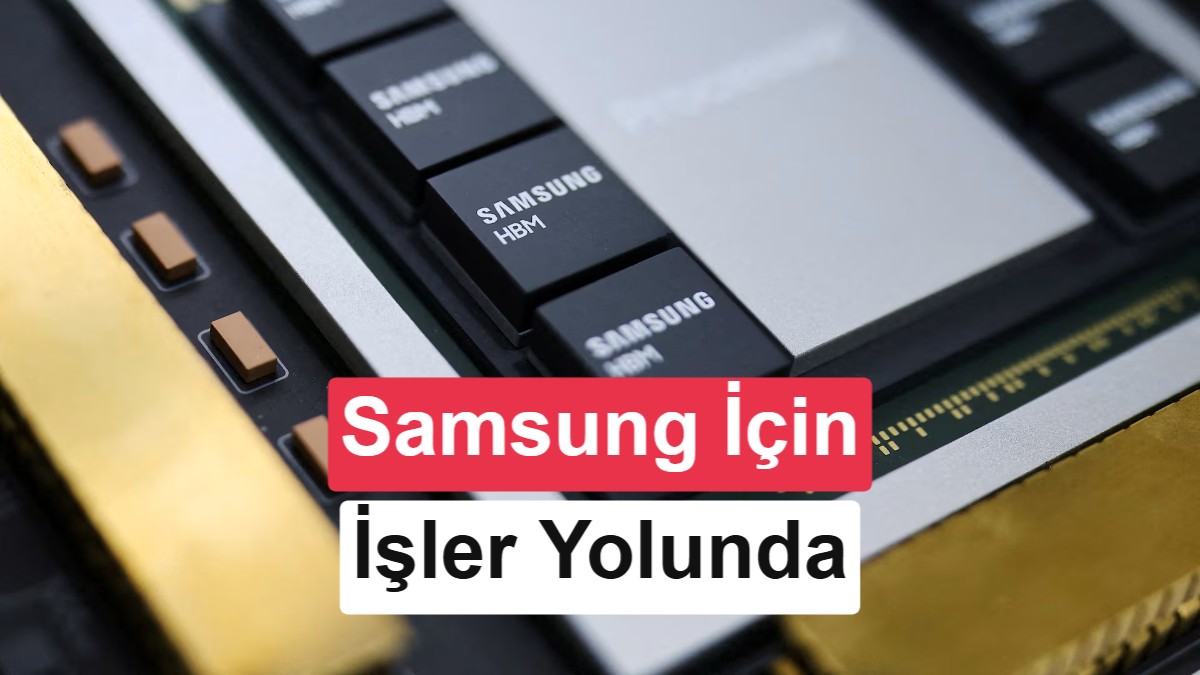
Samsung has reportedly raised its HBM4 production yield to around 80 percent, strengthening its position in the high-bandwidth memory market for AI processors and intensifying competition with SK Hynix. The company began mass production of HBM4 in February 2026, with initial yields below 60 percent. Through optimized manufacturing processes, yields approached 80 percent within about six months, reaching its year-end target much earlier than planned.
Samsung's HBM4 solution uses 1c-class 10nm DRAM and 4nm logic processes. The memory achieves pin speeds of 11.7-13.0 Gbps and bandwidth up to 3.3 TB/s per stack. Products with a 2,048-pin interface offer 24GB and 36GB capacities in a 12-Hi configuration, and 48GB in a 16-Hi configuration.
Compared to HBM3E, it delivers 40 percent higher power efficiency, 10 percent better thermal resistance, and 30 percent improved heat dissipation. The rapid improvement has boosted Samsung's commercial targets. In the third quarter of 2026, the company tripled its HBM4 DRAM revenue expectations and aims to raise HBM4's share of total HBM products above 60 percent in the second half of the year.
Samsung is also advancing HBM4E development, with reliability test yields reportedly reaching 70 percent. The previously introduced HBM4E offers 48GB capacity per stack and bandwidth up to 4 TB/s. A key development supporting Samsung's HBM4 progress is its collaboration with AMD, which uses Samsung's HBM4 memory on the Instinct MI400 platform. Samsung aims to add Nvidia to its customer portfolio with HBM4E, targeting Nvidia's Rubin Ultra and AMD's next-generation MI500 series.
Source: Donanımhaber
Most read in this category
Loading article…