
World
🇳🇱 NetherlandsNetherlands: US Manufacturing Company Has Produced a Drone Boat Using Large-format Robotic 3D Printing, Highlighting How Additive
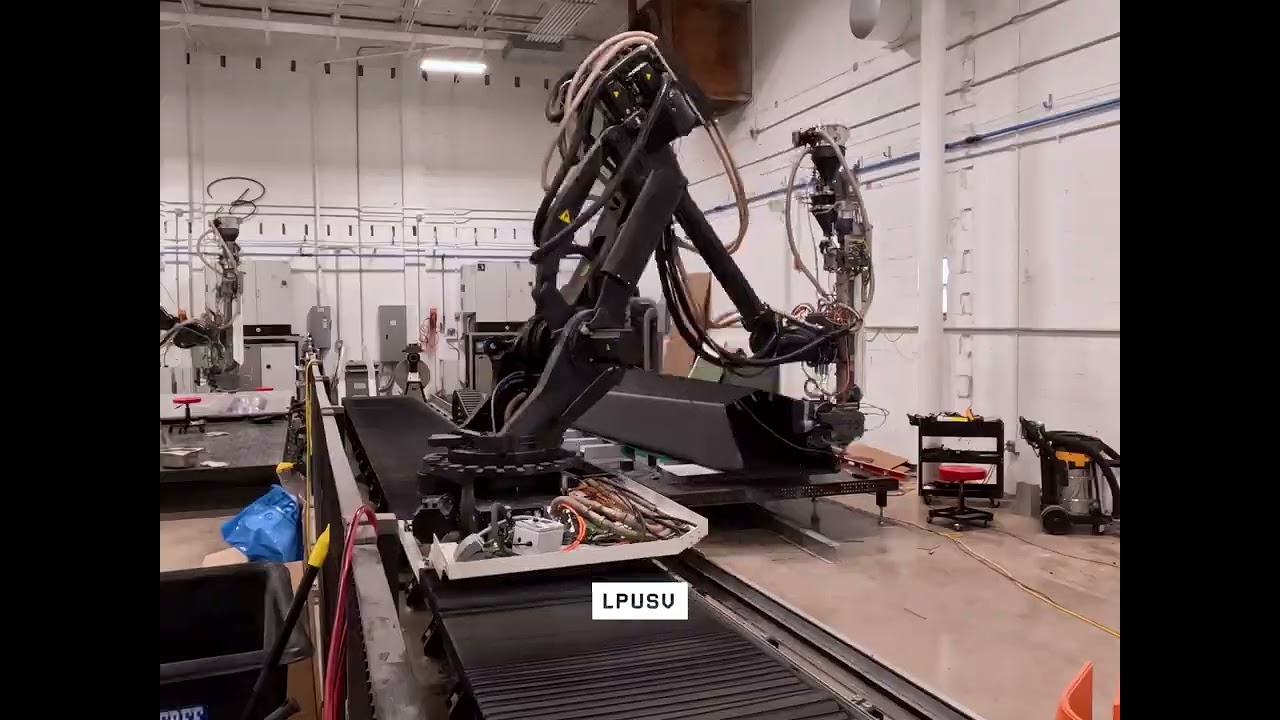
Florida-based Haddy built the TF-179 Drone Boat by using industrial robotic arms to deposit material layer by layer, rather than relying on traditional molding or machining methods. The approach is designed to speed up production while allowing manufacturers to create and modify complex vessel designs more efficiently. The company has also used the same technology to manufacture a hull for an unmanned surface vehicle (USV) and expand production capacity for a maritime defense division.
The maritime industry is undergoing a shift in how vessels are designed, developed, and manufactured, with digital production technologies opening new possibilities for specialized platforms such as the TF-179 Drone Boat. Unlike conventional manufacturing methods that often rely on molds, machining, or assembling multiple prefabricated components, robotic 3D printing can provide greater flexibility during the design and production process. According to Haddy, the approach can also help shorten development cycles by allowing manufacturers to rapidly produce, test, evaluate, and refine new vessel designs.
This flexibility is particularly relevant for unmanned and specialized maritime systems, where requirements can change quickly and production may need to adapt to specific operational needs. Haddy has not revealed who commissioned the TF-179 or what mission it is designed for. However, the company’s recent work shows growing expertise in rapidly producing unmanned vessels with robotic manufacturing, as demand for small, expendable maritime drones increases across the US defense sector.
Haddy operates from a roughly 30,000-square-foot (2,800-square-meter) facility in downtown St. Petersburg, Florida, equipped with eight large-format additive manufacturing systems from Dutch robotics company CEAD. Seven of the systems operate on rails, extending their reach to manufacture especially large components. Founded in 2022, Haddy initially focused on custom furniture, architectural elements, and molds.
The company has increasingly shifted toward defense manufacturing. Haddy’s manufacturing platform combines large-format robotic 3D printing, integrated milling, advanced materials, and digital production workflows to accelerate the development of large-scale hardware. The platform is designed to produce hardware in days or weeks rather than months, while allowing designs to be updated without restarting traditional tooling cycles.
It can also support production ranging from prototypes to repeatable manufacturing runs. Haddy had earlier demonstrated the platform’s speed through the production of a 12-meter low-profile USV hull. The company says the structure was produced for rapid validation, water testing, and integration of mission systems.
According to Haddy, the hull went from design to shipment in 10 days, making the process up to nine times faster than traditional hull production. The company also reports that its approach can reduce costs by 50 percent to 65 percent compared with conventional boatbuilding.
Source: Interesting Engineering
Most read in this category
Loading article…