
Sports
Puerto Rico Entered a Sweeping 48-Hour Water-rationing Cycle Affecting More Than 180,000 People As Drought Conditions Reach Historic
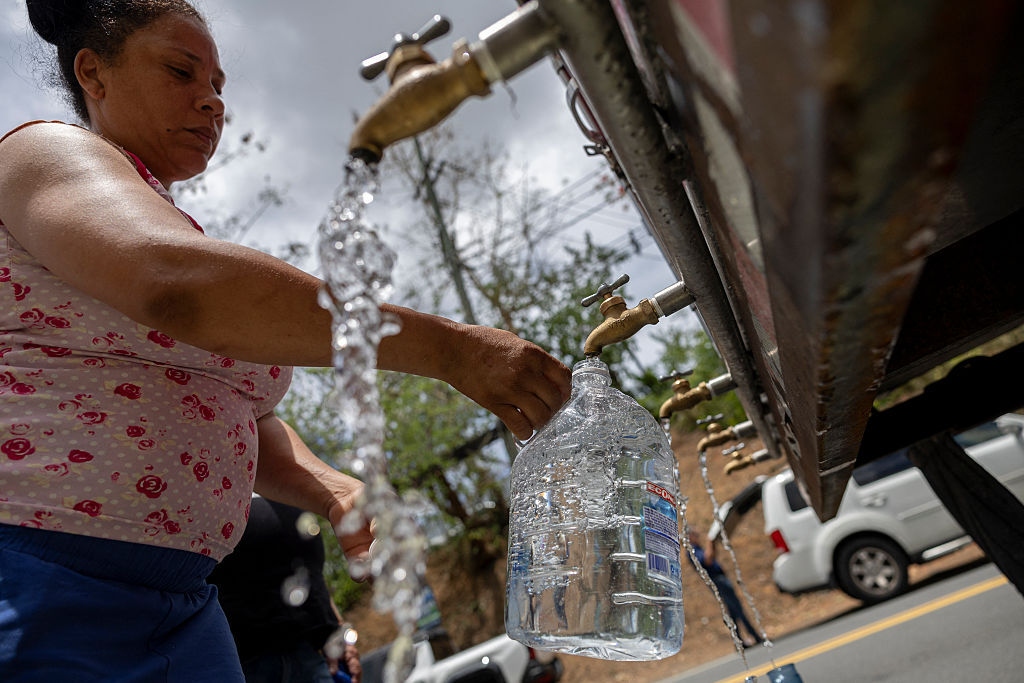
Puerto Rico is facing historic water shortages as Trump and local officials offer no response amid a worsening drought. Puerto Rico entered a sweeping 48-hour water-rationing cycle affecting more than 180,000 people as drought conditions reach historic extremes, while residents in several neighborhoods report having endured more than 100 days of unreliable service this year alone. The crisis is unfolding with no comment from President Donald Trump, even as residents, businesses, and hospitals brace for prolonged shortages.
Local officials warn the emergency could stretch for weeks or months, leaving millions of U.S. citizens navigating a system already weakened by years of neglect. The island’s water authority says the Carraízo reservoir has dropped to critically low levels, forcing alternating shutoffs across seven municipalities, but residents say outages began long before the drought—a sign of deeper infrastructure failures that neither the Puerto Rico government nor federal agencies have addressed. CTPR Executive Director Willianette Robles Cancel told Newsweek the tourism sector is coordinating with Puerto Rico Aqueduct and Sewer Authority (PRASA) and the central government to maintain operations, noting: Our focus has been clear: anticipate, guide, and support the sector to guarantee continuity of tourism services.
But the broader crisis extends far beyond tourism, and frustration is mounting over the absence of federal leadership. Newsweek has reached out to the White House for comment. Despite more than 3 million U.S. citizens living on the island, the Trump administration has not issued any statement on the worsening water shortages.
The silence comes as Puerto Rico faces one of its most severe droughts in modern history. July was San Juan’s driest month in more than 120 years, and the National Oceanic and Atmospheric Administration (NOAA) projects below-average rainfall and above-normal heat through October due to a strengthening El Niño pattern. Drought Monitor’s early‑August update shows roughly 68 percent of Puerto Rico in drought, with moderate to severe conditions concentrated across the island’s interior and northern municipalities.
Governor Jenniffer González has admitted she does not know how long rationing will last, calling the situation out of our hands. CBS News reported that customers were divided into two groups that will alternate not having water for at least 48 hours at a time. According to the outlet, government officials have also not said when the rationing will end and have warned the outages could be extended to 72 hours at a time.
Residents counter that the crisis stems from years of political neglect at the territorial and federal levels, as people in several San Juan neighborhoods have tracked more than 118 days of unreliable water service this year, reporting full‑day and multi‑day shutoffs along with persistently low pressure well before the formal rationing plan began. Puerto Rico’s government has offered little clarity or urgency. PRASA says rationing is necessary to distribute available water more equitably, yet communities have been reporting outages since mid-June, long before the drought intensified.
San Juan’s mayor has sued PRASA over chronic shortages unrelated to weather, and the agency is urging residents to boil water once service returns — a sign of contamination risk and system instability. Water‑resilience specialist Kevin Gast told Newsweek that the crisis highlights a national problem. Water resilience is not only a matter of having enough natural water, but also of the quality of the treatment and distribution infrastructure, he said.
Newsweek reached out to PRASA and La Fortaleza for comment; neither responded. Puerto Rico has faced water rationing before, including in 2015 and 2020, but experts say the current emergency is broader, deeper, and more destabilizing.
Source: Newsweek
Most read in this category
Loading article…