
Science
The Lead Author Told Newsweek People Ate the Same Amount of Food But Lost Weight by Lowering Energy Density
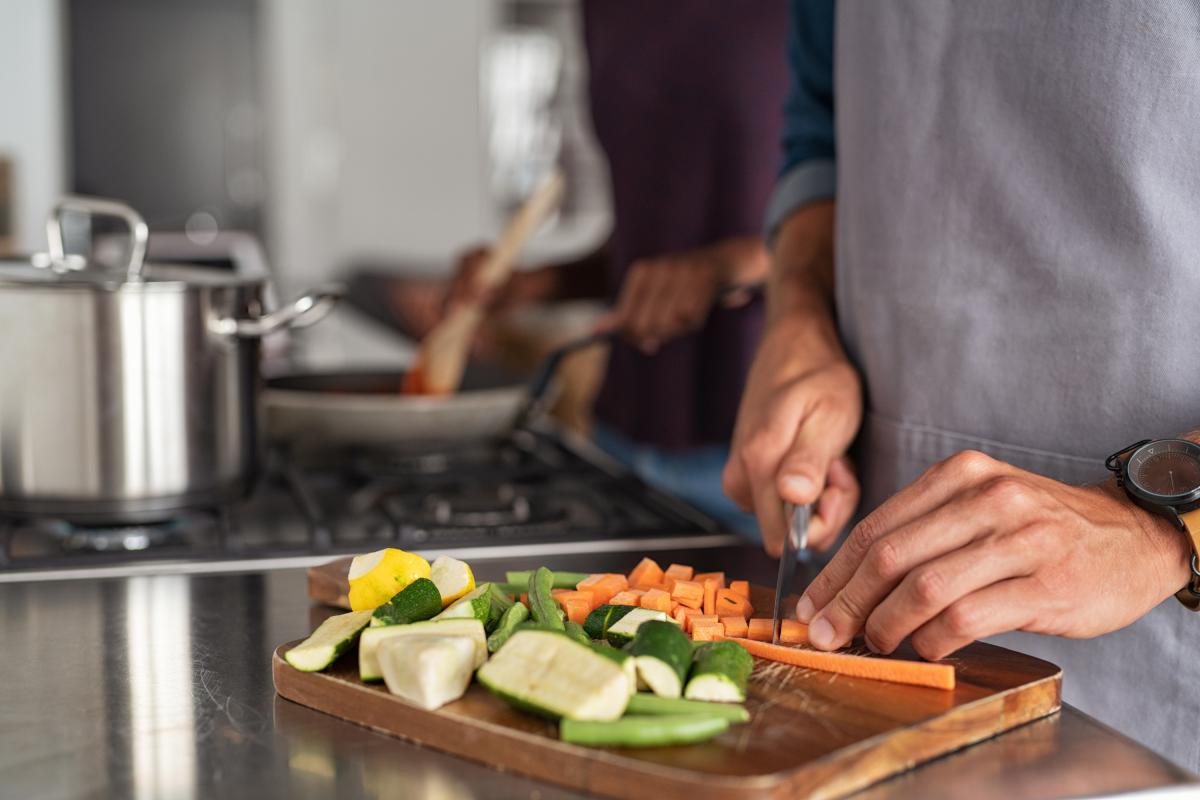
For decades, weight-loss advice has often boiled down to a simple message: eat less. But new research suggests people may be able to lose weight without reducing the amount of food they eat, provided they change the composition of their diet. A study published in JAMA Network Open found that people with overweight who followed a low-fat vegan diet lost weight while continuing to eat roughly the same amount of food by weight.
"This is really the heart of what energy density explains, lead author Dr. Hana Kahleova, director of clinical research at the Physicians Committee for Responsible Medicine, told Newsweek. "There's a well-documented tendency for people to eat a fairly consistent weight or volume of food at a meal, almost regardless of how many calories that food contains. Dr. Kahleova said that foods rich in water and fiber, including vegetables, fruits, legumes and whole grains, allow people to eat a "full, satisfying volume of food" while consuming fewer calories than meals built around meat, cheese and heavily processed foods.
According to the researchers, the secret lies in something called "energy density"—the number of calories packed into each gram of food. The study was a secondary analysis of a 16-week randomized clinical trial involving 244 adults with overweight. Participants were assigned either to follow a low-fat vegan diet centered on fruits, vegetables, grains and legumes or to continue their usual eating habits.
Neither group was given calorie limits or instructed to restrict how much they ate. "In our study, participants who shifted toward a diet built from vegetables, fruits, whole grains, and legumes ate the same total weight of food each day as before, Dr. Kahleova said. "The amount of food didn't change, but the energy density of that food fell by nearly 30 percent.
Energy intake also fell significantly more among vegan participants, by around 357 calories per day on average. Importantly, the amount of food eaten by weight did not change significantly. In other words, participants were not necessarily eating less food.
Instead, they were eating foods that delivered fewer calories in every mouthful. For those looking to apply the findings without adopting a fully vegan diet, Dr. Kahleova said the most effective approach is to prioritize foods naturally high in water and fiber while reducing more calorie-dense options. "Fill half your plate with vegetables before adding anything else, she advised.
"Swap meat for beans, lentils or tofu in some meals each week. Choose whole fruit over juice or dried fruit... and go easy on added oils, butter and cheese.
Source: Newsweek
Most read in this category
Loading article…