
Travel
Cats May Still Be Changing, or Perhaps Our Relationship With Them
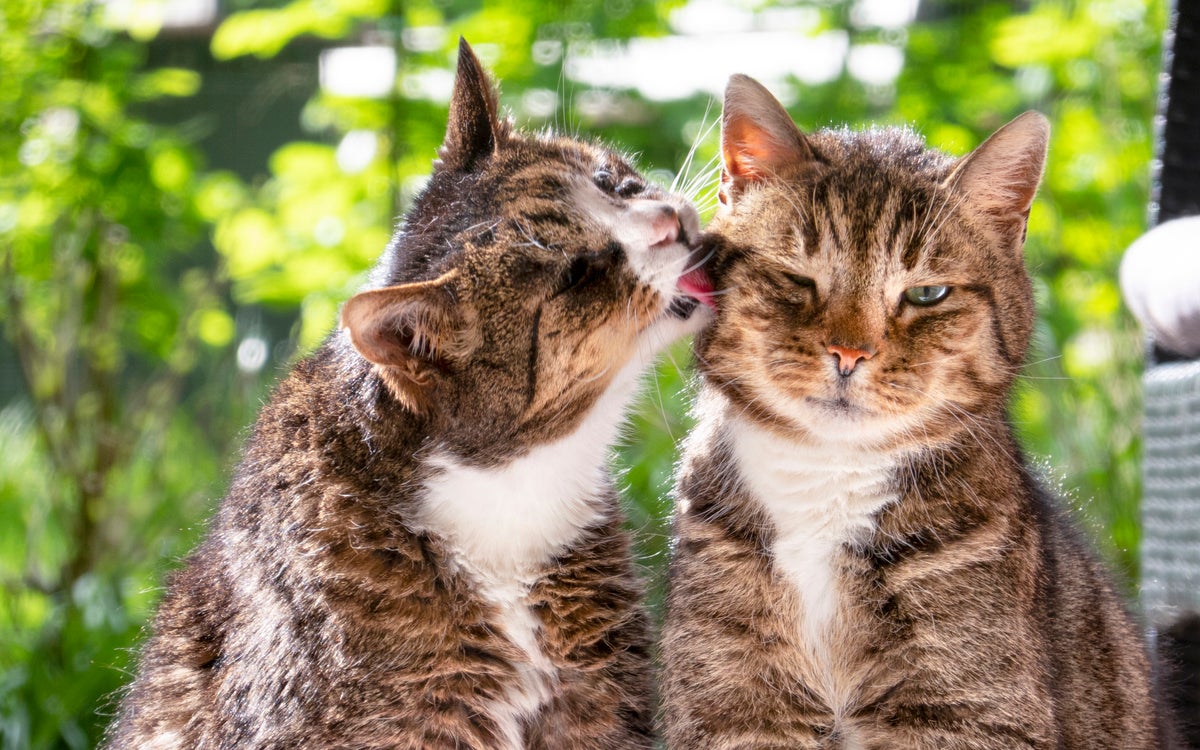
Around 15 years ago, I created a Facebook page for my cat, Sandi.
Friends thought it was weird. Today, social media accounts for cats attract millions of followers, cats travel in backpacks and prams, and surveys consistently show that the overwhelming majority of owners regard their pets as family. I’ve previously written about how cats became domesticated.
But domestication isn’t necessarily a process with an endpoint. Could it still be continuing today? Examples from wildlife suggest that adaptation to living alongside people can continue long after animals first encounter humans.
Research led by biologist Kevin Parsons at the University of Glasgow provides one of the clearest examples of this process. In 2020, Parsons and his team compared the skulls of urban and rural red foxes from London and the surrounding countryside, and found consistent differences between the two populations. Urban foxes had shorter, broader snouts and smaller braincases – the rounded part of the skull that encloses the brain. These are changes that often accompany domestication.
Source: Independent Lifestyle
Most read in this category
Loading article…