
Health
The Approach Could Also Stabilise Some Medicines, Such As Monoclonal Antibodies, But Not Mrna Vaccines
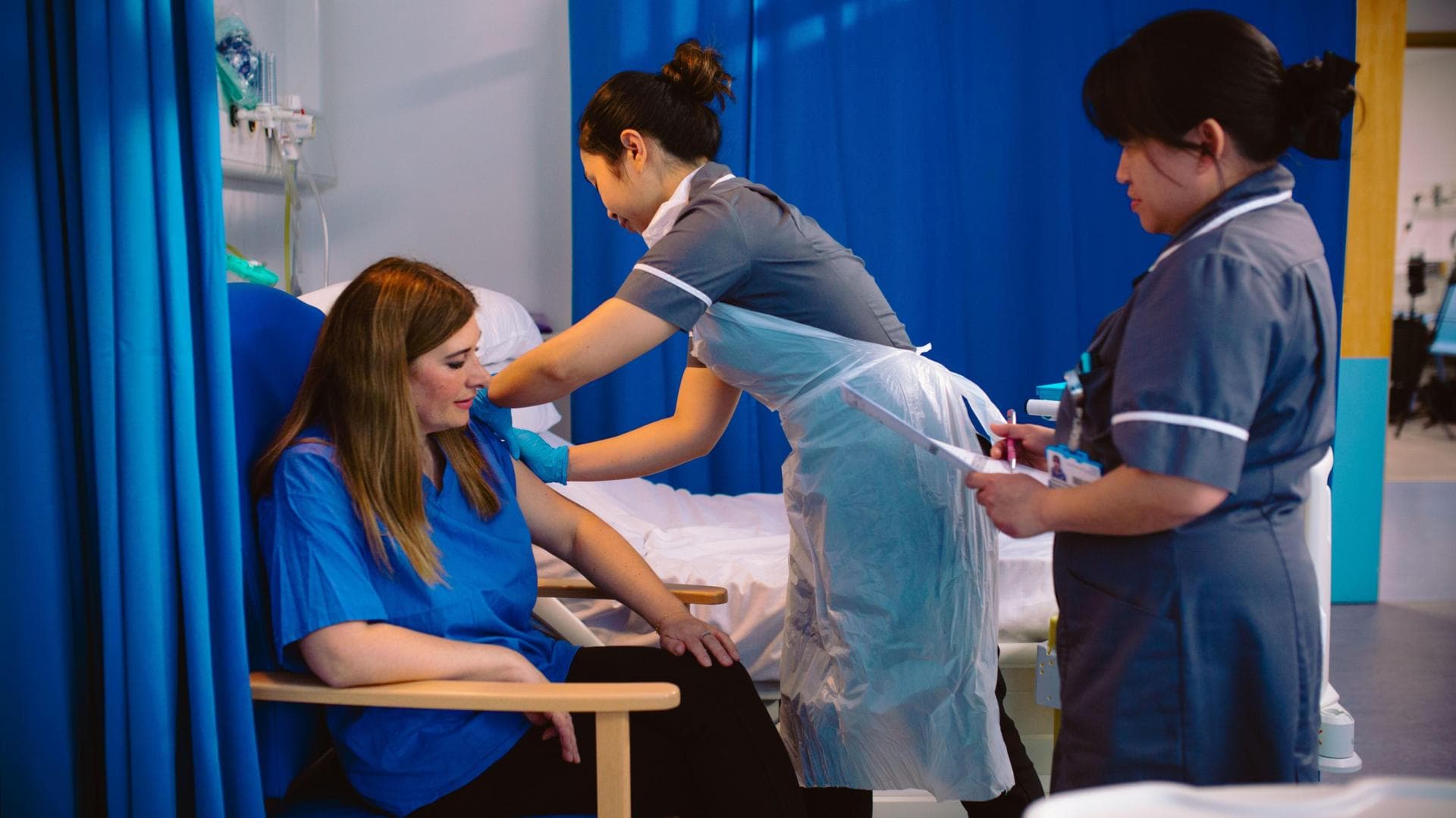
UK scientists have successfully trialled a fridge-free vaccine in patients for the first time, a development that could transform global vaccination by reducing the estimated half of vaccines wasted annually. In a trial involving 60 volunteers, company Stablepharma converted a liquid tetanus-diphtheria vaccine into a dry powder that remained stable at room temperature for a year before being mixed with water and injected. The technology, inspired by resurrection plants that produce the sugar trehalose to survive drought, was tested by the UK's National Institute for Health and Care Research (NIHR).
Prof Saul Faust, director of the NIHR Clinical Research Facility in Southampton, said the vaccine gave "equivalent" immune responses to the conventional version and was "safe and well tolerated. A larger trial with 160 people is due to start in the coming months, aiming to meet the World Health Organization's goal of a vaccine surviving at 30C and 75% relative humidity. The research team says separate data shows the vaccine's components also survive temperature cycling between -20C and +40C. Prof Sir Jonathan Van-Tam, former deputy chief medical officer for England and an advisor to Stablepharma, recalled the challenges of maintaining the cold chain in remote clinics.
The approach could also stabilise some medicines, such as monoclonal antibodies, but not mRNA vaccines. Dr Bruce Roser, founder of Stablepharma, said: "Reliable and safe fridge-free vaccines could be a game-changer for global health. Prof Tuck Seng Wong, director of the UK-Southeast Asia Vaccine Manufacturing Research Hub, called it a "significant breakthrough in UK science" but noted areas needing further investigation, including stability under fluctuating temperatures and performance in larger, more diverse groups.
The findings were published in eClinicalMedicine. Ephrem Tekle Lemango, associate director of immunization at Unicef, said the innovation could help us vaccinate more children and pave the way for a future of fridge-free vaccines.
Source: BBC Health