
Lifestyle
🇺🇸 United States“We Support Our Troops”: Some Call It Patriotism
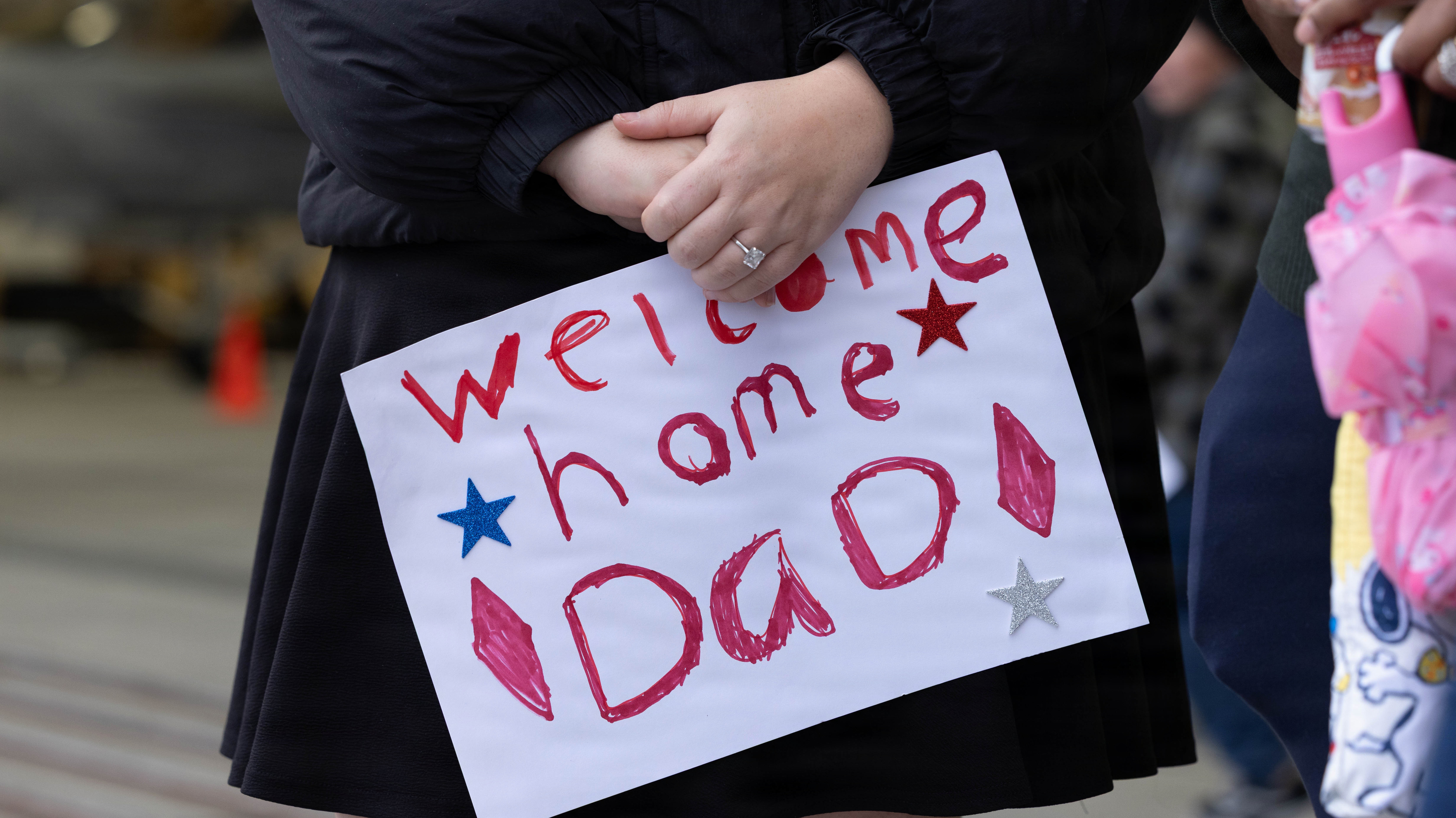
America wants the hero, not the human.
America wants the hero, not the human. “We support our troops”: Some call it patriotism. I call it a hollow slogan.
It was introduced to make civilians feel comfortable with what the military asks of its service members, shifting focus from the human beings carrying the weight to the audience watching them carry it. America loves the perfect military family hanging in photos around the world: a service member reuniting with a supportive spouse and resilient kids — all smiles, happy tears and beautifully curated. America kills to see a happy homecoming.
We watch from the safety of our couches as loved ones run to embrace their hero. I’ve lived that photo. I am that supportive wife who is proud of this life and its honorable purpose.
My husband looks good in his flight suit, and my kids are strong as hell. The issue isn’t the photo; it’s what exists outside the frame. The reality lives in the go-bag in the closet, tearful goodbyes, moldy base housing, paychecks stretched thin, deteriorating mental health and the solo-parenting that spouses do every day.
The photo op can’t hold it. The reality lives within the human beings inside those uniforms: the service member who is scared, exhausted or living with post-traumatic stress disorder; the children who don’t understand; and the spouse who is angry because she has skin in the game. We’ve decided the image of the hero is more important than the human wearing the uniform.
The support is loud until they step out of the frame. The second they show exhaustion, fear or disagreement, support turns into silence, or worse, an accusation: “You signed up for this. Yes, we did, and proudly.
But nobody signed up to have their basic humanity stripped away to become America’s pretty patriotism prop. The second a service member says, “I am exhausted, My mental health is failing, or This policy is broken, their limits become an inconvenience, and they are written off as a threat to morale. When a spouse speaks up about mold or destructive deployment schedules, she is framed as ungrateful” and warned she’ll ruin her partner’s career.
The institution offers performative help” through commissions far removed from daily realities, while kids become collateral damage in a system that values silence over empathy. The proof is in the current events section of every government-run newspaper. It’s just not the story the institution wants you to hear.
When asked if the deployment of the aircraft carrier USS Abraham Lincoln was getting too long, the response was, Not nearly long enough. When sailors and families raised legitimate alarms about mental health, leadership brushed it off, managed optics and expected everyone to endure. When independent press like Stars and Stripes exposes messy realities, they’re handled — shattering the illusion that service members are lethal war machines, rather than humans with limits.
When active-duty officers like Major Jason Watson raise their voice on the Capitol steps, leadership doesn’t ask why; they immediately condemn. Challenging broken policy is treated as a personal insult to fragile leadership that cares more about rank and optics than humanity. By hyper-focusing on protocol, leadership hands itself a convenient shield: It’s easier to court-martial a man than answer the uncomfortable questions he brought with him.
Which brings me back to the man in the flight suit. My loyalty belongs to my husband, not an institution that sees him as a disposable asset, nor a leadership pushing a toxic narrative over well-being. My loyalty is to the human who willingly puts on that suit and honors his oath.
Loving my husband and being a proud military spouse does not mean silent compliance. It fuels the fire because my name sits next to his on our marriage certificate, and it’s the very reason I refuse to be quiet. I can honor his service and still look military leadership in the eye and ask, What are you doing to him?
What happens to him directly impacts our family, and I refuse to let his humanity be a bargaining chip for a public relations campaign. If America and the Department of Defense truly want to support our troops, they must start taking responsibility for inconvenient consequences.
Source: Air Force Times
- military families
- Alexa LeCureux
- troop support
- military culture
- opinion
Most read in this category
Loading article…