World
The New Route Through the Strait of Hormuz Is Temporary But May Remain Valid for Two to Four Months
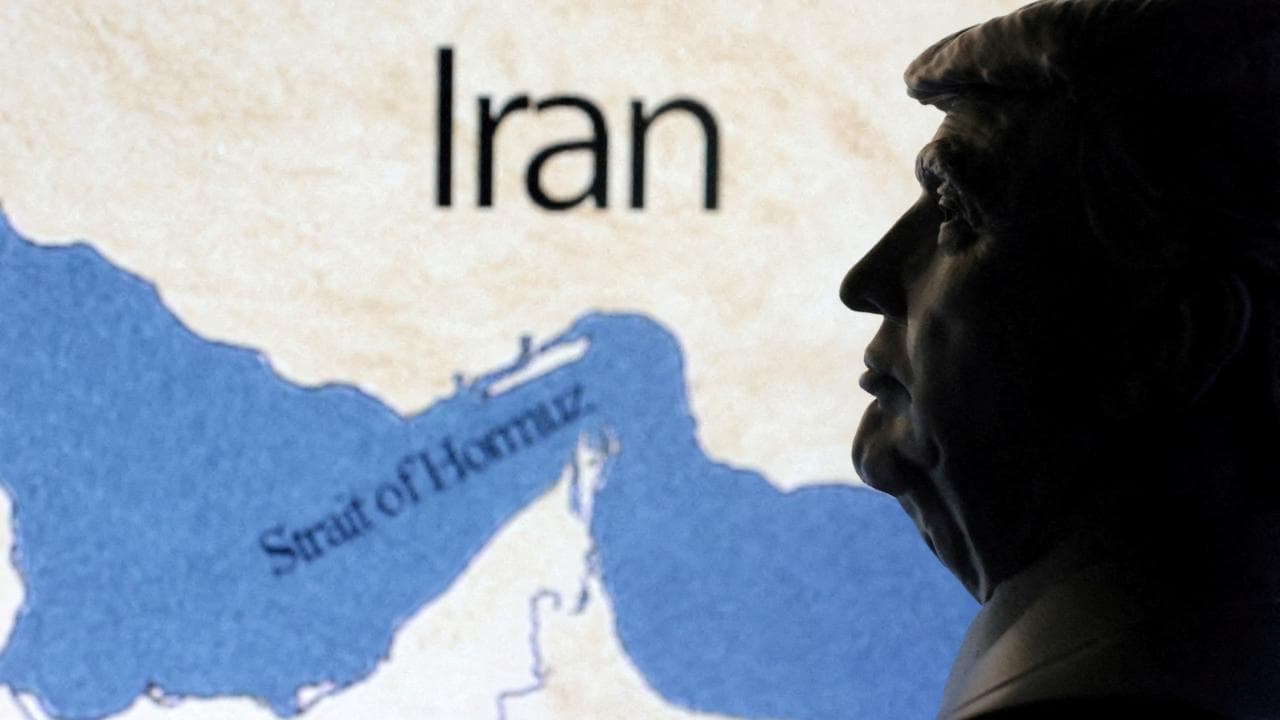
Iran's Deputy Foreign Minister Kazem Gharibabadi said negotiations with Oman over the Strait of Hormuz have reached their final stage, with the opening of the strait depending on the U.S. stance. Speaking to the official IRNA news agency, Gharibabadi said the agreement reached with Oman is nearing its final phase and that the new route through the strait is temporary, potentially lasting two to four months or longer. "The new route through the Strait of Hormuz is temporary but may remain valid for two to four months or more.
After reaching an agreement with Oman, we need a new decision to move to the second stage, he said. Gharibabadi stressed that talks were held only between Iran and Oman, not with the U.S., saying, "The consensus on passage through the Strait of Hormuz was reached between Iran and Oman as two coastal states; no talks were held with the U.S. during this period. He added that under the agreement, the northern route near Lark Island and the southern route in Omani territorial waters will be closed as they are fully temporary, and a new route will be used if the deal is implemented.
Gharibabadi noted that for effective sovereignty over the strait, ships do not need to pass entirely through Iranian waters, as for 60 years before the war all traffic used Omani waters, and Iran established effective sovereignty during the war. He said the new model, based on national security concerns and protecting national interests, is Iran's strategy for exercising effective sovereignty in the strait. On the full opening of the strait, Gharibabadi said, We have received messages from the U.S. that it is fully ready to return to its commitments (under the Islamabad agreement).
In response, I must state that the decision on whether to move to the second stage (full opening of the Strait of Hormuz per Article 5 of the agreement) has not yet been made and is under review. He emphasized that the arrangement should be decided only between Iran and Oman, and Tehran grants no rights to any other country in this process. Under the agreement reached between Iran and the U.S. on June 14 with Pakistan's mediation, the first stage involved the U.S. releasing Iran's frozen assets in exchange for opening the strait and Iran not charging fees for passage for 60 days.
The U.S. did not release the assets after signing and set an alternative route through Omani waters, which Iran considered a violation, leading it to restrict passages and strike some ships attempting unauthorized transit. Tensions led to severe clashes starting July 8 lasting about two weeks. Iran had resumed talks with Oman to determine safe passage routes for ships in the strait, with Foreign Ministry spokesman Ismail Baqaei saying progress had been made in technical and political discussions.
Source: TRT Haber