Economy
Percent in Early Trading Wednesday After Elon Musk's Plans for Massive Spending to Position His AI and Rocket Company As a Data Center
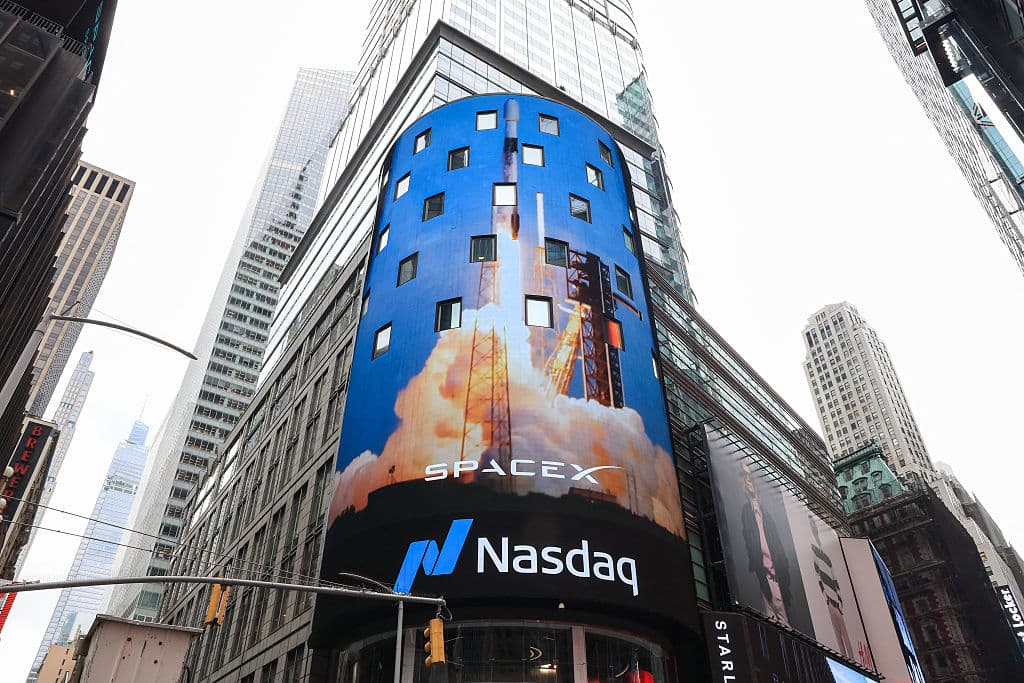
The drop came despite SpaceX surpassing analysts' expectations in Tuesday's debut earnings report, posting quarterly revenues of $7.8 billion, up 92 percent from a year earlier and above estimates of $6.82 billion. The company reported a net loss of about $541 million, better than the expected $2.12 billion loss. SpaceX reported capital expenditure of almost $16 billion on AI, double the previous quarter and well above Wall Street's expectations, with spending expected to persist at current levels for at least two more quarters.
The earnings report follows SpaceX's $86 billion initial public offering in June, after which shares surged to a peak of $225 but have since shed about half their value to $112 on Wednesday. Musk told investors the group planned to increase computing capacity from 2 gigawatts at the end of this year to closer to 10GW by the end of 2027, relying exclusively on Nvidia hardware. At the highest end of that estimate, data centers would consume as much power as New York City at summer peak.
CFO Bret Johnsen said the group would generate more than $100 billion in annual recurring revenue by year-end, with cloud services driving growth. SpaceX's AI revenue more than trebled to $2.56 billion, mostly from leasing data center capacity to rivals including Anthropic and Google. Analysts expressed concern about the capex number and margin caps from cloud leasing.
SpaceX's $1.65 trillion market cap hinges on Musk's ambitious goals, including Mars missions and orbital data centers. Musk said SpaceX could hit $1 trillion in revenue by decade's end and expects to start launching Starmind AI-1 orbital data centers next year. Short interest has risen to about 34 percent of freely trading shares, and Deutsche Bank analysts cited the end of the employee lock-up period Thursday as weighing on the stock.
Source: Ars Technica