World · Breaking
The Vehicle Will Carry Three NASA Payloads for Radio Astronomy and Geological Research
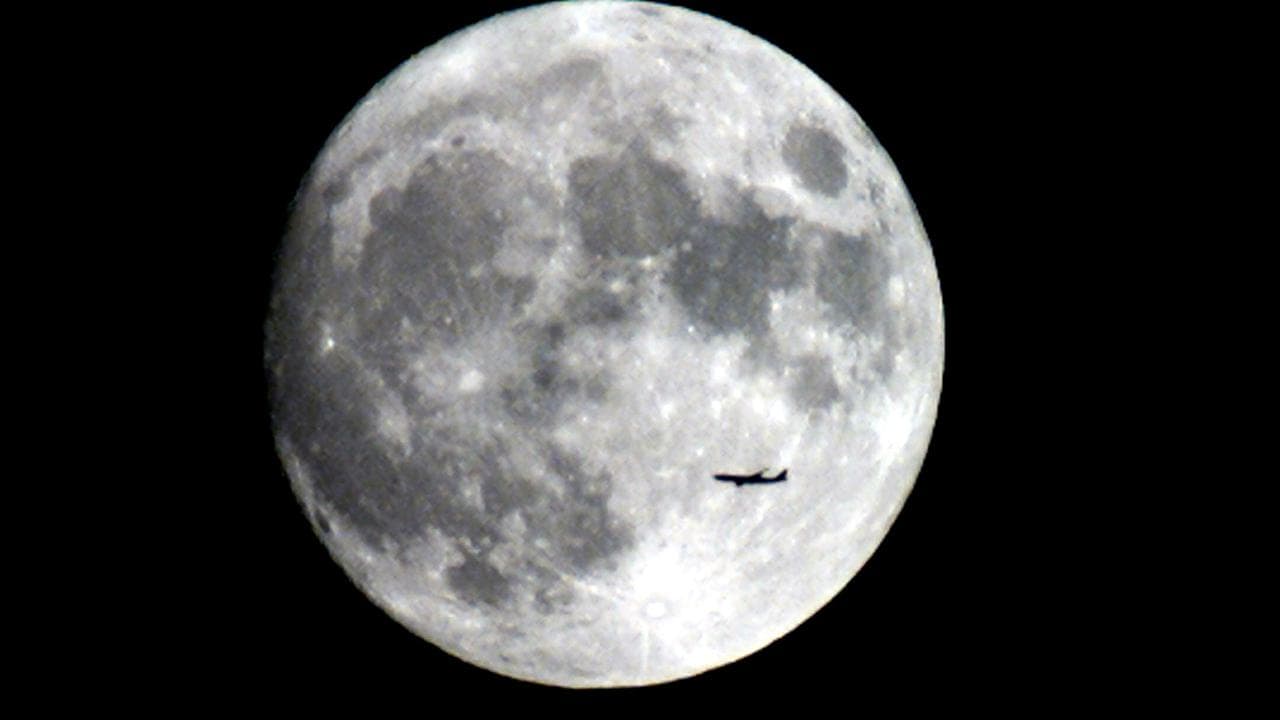
NASA has announced a new phase in its commercial lunar payload services, with four different lunar landers from Blue Origin, Firefly Aerospace, Intuitive Machines, and Voyager Technologies simultaneously reaching the final stage of qualification and environmental testing, according to the agency's August 2026 lunar base status report. All four vehicles are targeted for launch by late 2026 or early 2027. Blue Origin's "Endurance" lander, a Blue Moon Mark 1 cargo vehicle, successfully completed thermal-vacuum tests in the "Chamber A" simulation room at Johnson Space Center, which replicated deep-space cold and extreme temperature swings on the lunar surface. Powered by the BE-7 engine running on liquid oxygen and liquid hydrogen, the vehicle is slated to land at Shackleton Connecting Ridge near the Moon's South Pole, carrying two NASA scientific payloads.
Firefly Aerospace's Blue Ghost Mission 2, dubbed "Riders 2 the Dark, has entered assembly and qualification tests for a launch on a SpaceX Falcon 9 rocket in the final quarter of 2026. If successful, it would become the first American spacecraft to land on the Moon's far side, with the European Space Agency's Lunar Pathfinder satellite to be deployed into lunar orbit beforehand to relay communications. The vehicle will carry three NASA payloads for radio astronomy and geological research. Intuitive Machines' Nova-C lander, named "Trinity for the IM-3 mission, has reached hardware integration after completing thermal-vacuum tests at Marshall Space Flight Center in Huntsville, with engine integration imminent.
Trinity will land at Reiner Gamma, a region known for mysterious bright swirls and a local magnetic field, carrying the Lunar Vertex rover and 12 scientific payloads to study the electromagnetic environment and space weather effects. The mission is planned for launch in the second half of 2026.
Source: TRT Haber