Sports
As Two British Journalists Who Have Lived on Both Sides of the Pond, the Independent's Tom Murray and Kevin EG Perry Explain
Apple TV's saccharine sports comedy became a cultural phenomenon in the US, but it has always inspired a more complicated reaction across the Atlantic. As two British journalists who have lived on both sides of the pond, The Independent's Tom Murray and Kevin EG Perry explain why. Mention you work for The Independent to an American and, surprisingly often, they'll ask if you know Trent Crimm.
James Lance's fictional sports journalist became one of the breakout stars of Ted Lasso, and for many American viewers, The Independent is no longer just a British newspaper — it's the place where Trent Crimm files his columns. Crimm's popularity is a testament to just how deeply Ted Lasso embedded itself in the American cultural consciousness. When the show first aired in 2020, it looked like an odd proposition: a sitcom spun out of a decade-old NBC Sports advert about an American football coach accidentally taking charge of an English Premier League club.
Instead, it became one of Apple TV's defining hits, winning 13 Emmy Awards across its first three seasons. Yet back in Britain, where the series is set, the reaction has always been a bit more... complicated. Plenty of British viewers love it, of course, but it has also attracted a level of eye-rolling rarely seen in the States.
To many, AFC Richmond is an impossibly sanitized version of English football, while Ted's endless optimism grates against the nation's dyed-in-the-wool cynicism. The show's fourth season has only reopened that divide. Why does a show about an American coaching an English football club resonate so differently across the Atlantic?
We asked two Independent journalists who have each spent years living in both countries. The moment I realized just how differently Americans viewed Ted Lasso came one Saturday morning in a soccer bar in Los Angeles, where I was living at the time. The Premier League was on every screen.
There were Liverpool shirts, Arsenal shirts, Manchester United shirts... and AFC Richmond shirts, worn completely unironically. No one laughed, or pointed at them behind their backs. They were treated the same as everyone else despite proudly wearing the colors of a football club that doesn't actually exist.
To do this in the U.K. would invite an onslaught of mockery for the rest of your days. For me, it summed up the difficulty many Brits have with Lasso: In the UK, we take our soccer seriously; it is our beautiful game. To wear the jersey of a fictional team cheapens something sacred.
As the great Arsenal winger Robert Pires once said: "In England, football is a religion. Now, I'll admit, I checked out of Ted Lasso after season one. Perhaps it gets drastically better and completely changes its DNA in the seasons I've missed, but somehow I doubt it.
Ultimately, Ted Lasso is able to secure a top three finish for his club through the power of friendship and understanding. But soccer is not this wholesome; it's decades of emotional trauma punctuated by occasional moments of joy — depending on who you support. Real managers aren't given time to discover themselves; they're sacked after six bad games.
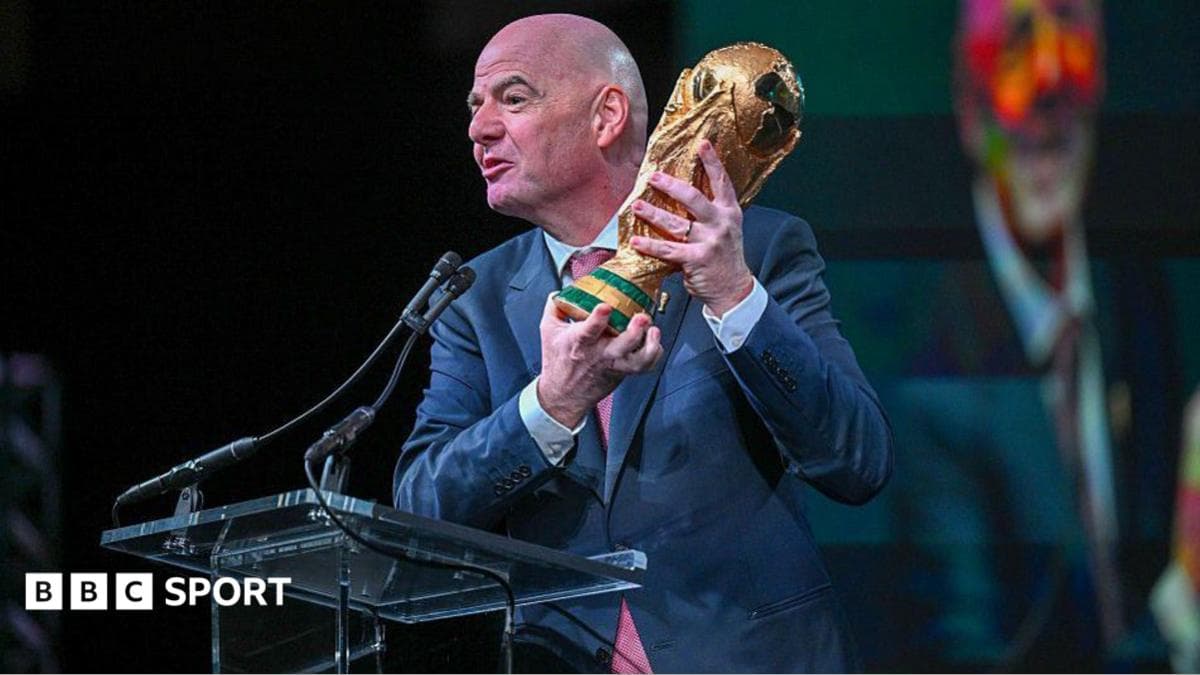
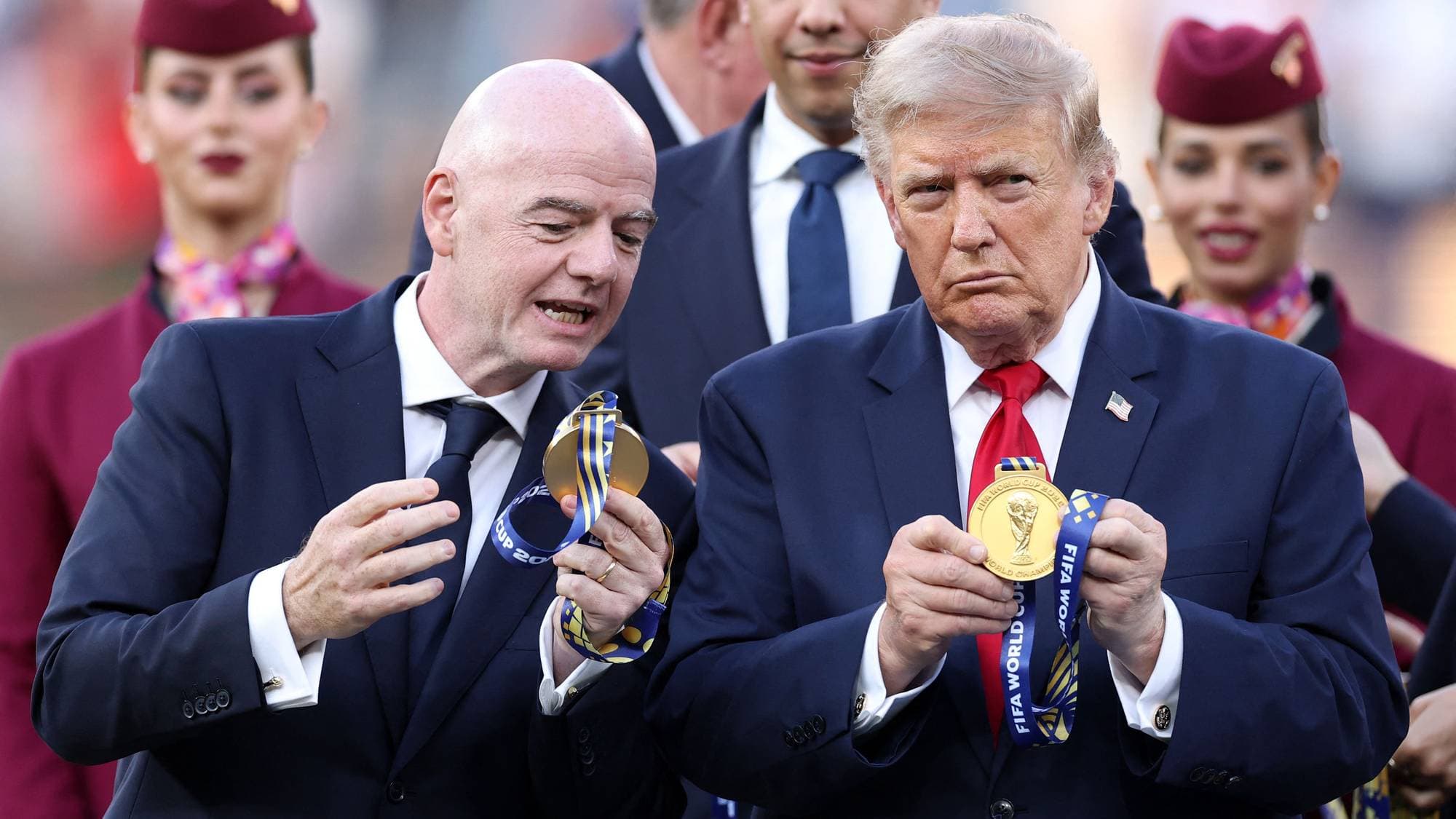
As Amazon's All or Nothing documentary series has shown us, dressing rooms aren't held together by homemade biscuits and heartfelt speeches. And fans don't unite behind a common cause — they spend half their lives arguing with each other. It feels especially jarring in the wake of the World Cup, which saw Fifa's cartoon villain Gianni Infantino bow to the host nation's attempts to Americanize the sport with "hydration breaks" (read: ad breaks) and a Super Bowl-style halftime show featuring Justin Bieber and — you guessed it — Sudeikis as Lasso!
That's the irony at the heart of the show. Americans embraced Ted Lasso because it introduced them to English football. Many English fans struggle to embrace it because it feels like football reimagined through an American lens.
It's not the Premier League as we know it — it's the Premier League as Americans wish it were. Ted Lasso arrived at a time when we all needed some cheering up. Deep in the pandemic-era doldrums of August 2020, the sweet-natured "soccer manager with his avuncular mustache and a predilection for baking his own shortbread was a welcome force of positivity in the world.
For my (American) wife and me, the show felt tailor-made. We were both on the lookout for a feel-good, whimsical comedy to fill the post-Schitt's Creek void in our lives, while I needed a stealthy way to indoctrinate her into the obsessive world of Premier League football addiction.
Source: Independent Culture