World
Texas Hill Country Last Month, Paul Welch Stayed Up Past His Bedtime Checking Radar and Rain Gauges on Riverhub, the Upper Guadalupe River
At midnight, comforted by what he saw, he went to bed. Four hours later, his phone rang. It was a neighbor, the same fellow who had awakened him the previous July, just before floodwaters swamped Welch's riverfront cabin near Comfort.
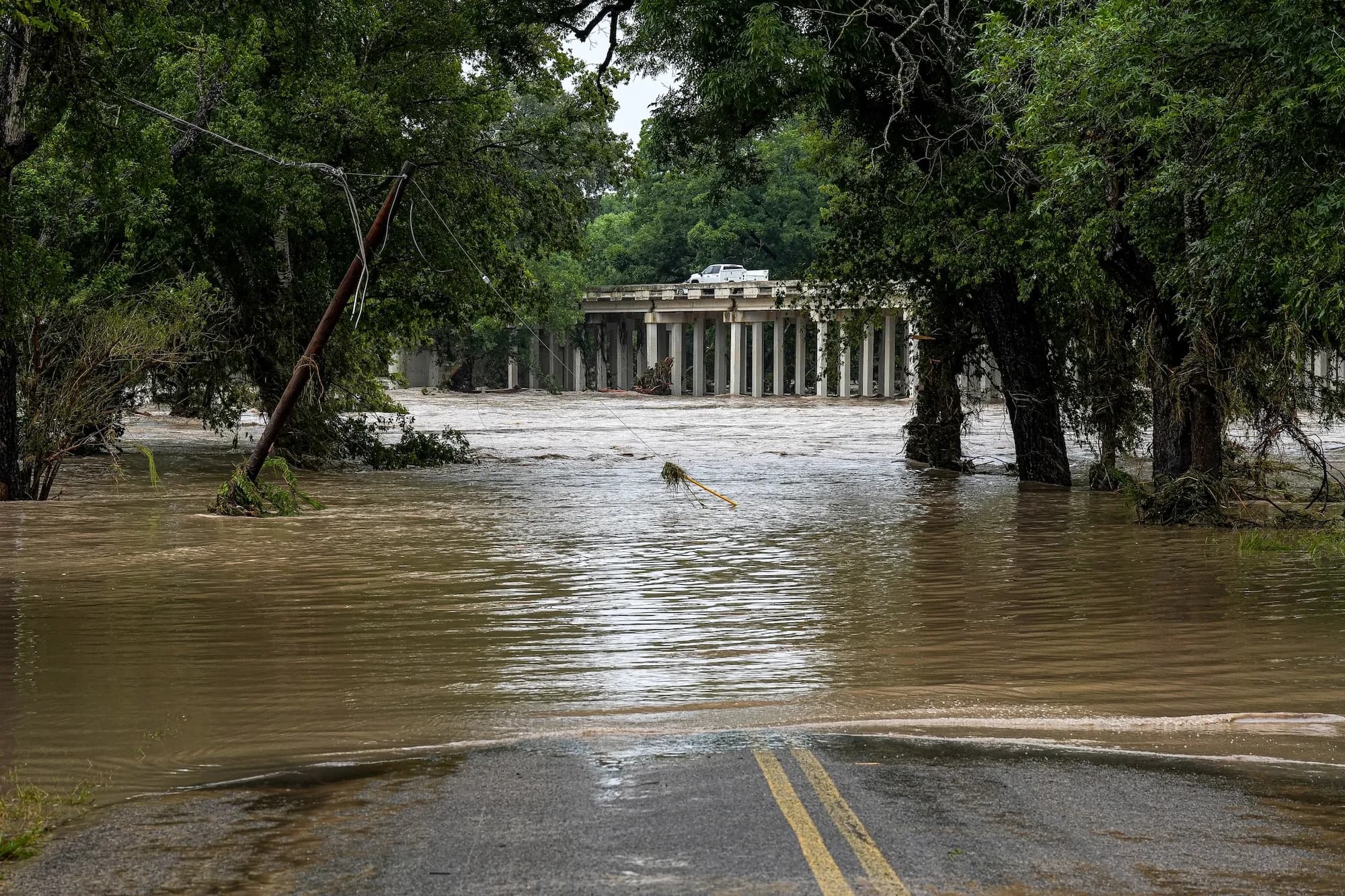
"Get up. Quick, he said, speaking calmly into the phone. The water at Center Point, 4 miles upstream, had risen 25 feet as Welch slept.
A wall of water was heading his way. Welch and his partner, Elizabeth Hastings, could hardly believe it was happening again. This time, they knew what to do: Hastings tossed the guns, jewelry, paperwork, and medication into the Sprinter van and drove through the downpour to a gas station already crowded with vehicles.
Welch moved his tractor, golf cart, and other essentials to higher ground, then joined his neighbors on the same high spot near the highway where they'd gathered the last time this happened. For the second time in 12 months, they watched water tear through the valley, roiling and churning with more power than Welch had ever seen. The next morning, as Welch and Hastings picked their way through the muck, his phone rang.
It was Huntly Dantzler, a volunteer who had helped them through last year's catastrophe. "Paul, give me some good news, he said. "I've got none to give, Welch replied.
Gone was the $130,000 RV they'd lived in as they awaited construction of their dream house — into which Welch had already sunk $80,000. Gone were the new appliances that sat in his shop, still in bubblewrap. Gone were the 200-year-old cypress trees that had survived so much. "We cried and prayed over the phone, Dantzler said.
One year after several rivers and creeks in central Texas killed 139 people and spurred a statewide push to improve flood warnings, another historic storm tested those changes. This year's disaster brought at least 12 inches of rain — and as much as 28 — to one dozen counties north and west of San Antonio and destroyed or damaged hundreds of buildings. Yet just three people died.
"Here we are a year later, but under incredibly different circumstances, Kerr County Judge Rob Kelly said at a July 20 press conference. "Last year when we were here, we were grieving. We were in a pall of human loss.
Earlier forecasts, new warning systems, and a public primed by last year's tragedies saved lives. But the catastrophe also exposed how much work remains, leaving many Texans counting on vigilance and neighbors when the water rises. Many of those caught in this year's flood were still mourning those who died in last year's. The torrents that swept across the Hill Country then came with such speed and ferocity that many people were still asleep as the water crashed into their homes.
The scale of the devastation, which included the deaths of 25 girls at Camp Mystic in Kerr County, shocked the nation. It also spurred action. Legislative hearings and investigations revealed failures by Kerr County and the Upper Guadalupe River Authority that exemplified weaknesses in the state's flood-warning and emergency management systems.
Among them, the county lacked outdoor sirens, even along the most vulnerable stretch of the Guadalupe, and the authority had deferred building the warning system it knew it needed after the state denied funding. The county never activated a federal emergency alert system capable of reaching nearly every cellphone in the area and delayed some local alerts while dispatchers sought supervisory approval. Those shortcomings became central to lawmakers' push for a more robust warning system across flood-prone communities.
During a special late-summer session, lawmakers passed four flood-response bills. Two strengthened safety and licensing requirements at youth camps. Another launched an effort to expand flood-warning systems in 30 counties by identifying flash flood–prone areas that need warning siren systems, including sensors and gauges.
The last bill provided $50 million to buy them and another $24 million for a two-year project to dot the Hill Country with more rain gauges, radar, and forecasting tools. Twenty-nine of the 30 eligible counties had joined the warning-system program by early July. But much of it remained under development when the flooding started.
Source: Grist