Economy
₹45,000 Crore in Railway Upgrades Along Its Borders With China, Pakistan, and Bangladesh, According to Sources Familiar With the Matter
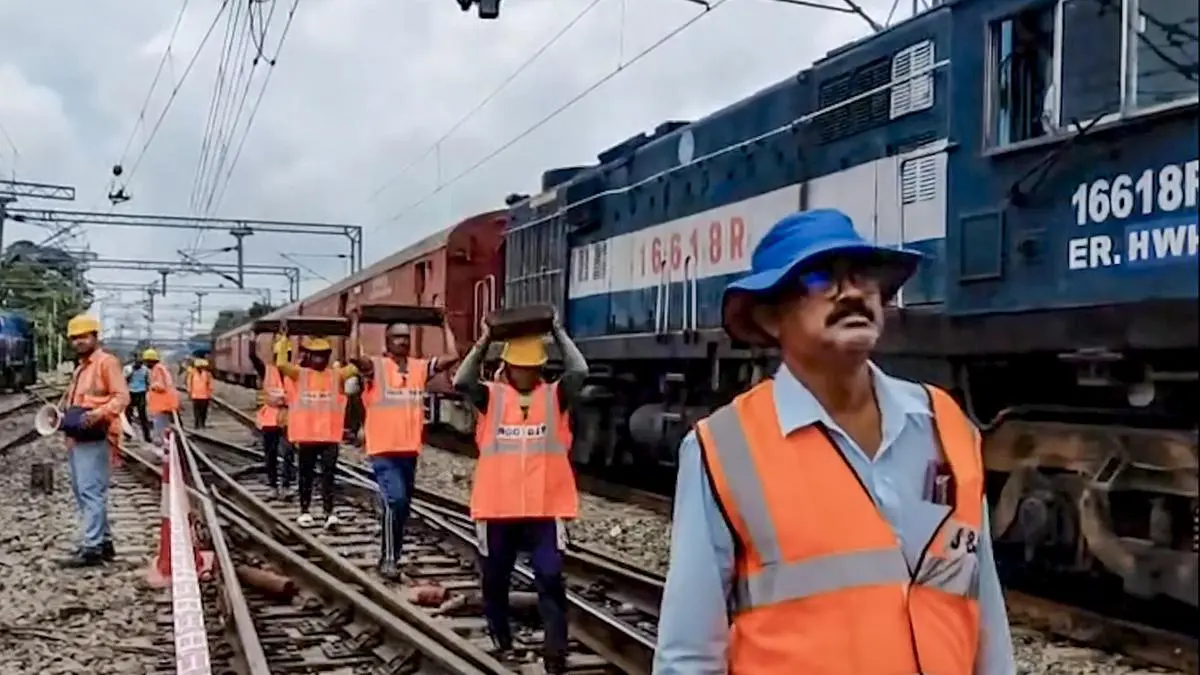
The spending, planned over the next 18 to 24 months, will fund new tracks, platforms, and network strengthening in Punjab, West Bengal, Himachal Pradesh, Rajasthan, Assam, and several northeastern states. This border-state program accounts for about 22% of all railway infrastructure outlay planned over the next two years, highlighting its strategic importance. The initiative goes beyond the $3.4 billion previously reported for rail lines in the Northeast, reflecting the Modi administration's broader push for border-area infrastructure.
The focus on frontier connectivity comes as India recalibrates its posture along sensitive borders: ties with China have steadied after a deadly clash six years ago, a brief conflict with Pakistan occurred last year, and Bangladesh's political upheaval in 2024 has complicated a previously stable partnership. The investment will create dual-use infrastructure—civilian railways that also support military logistics—while improving connectivity in underdeveloped border regions. By bolstering high-capacity, all-weather rail networks into vulnerable frontiers like the Himalayas, the Siliguri Corridor, and the northeastern states, New Delhi aims to reduce troop mobilization times and secure supply-line redundancy.
Prime Minister Narendra Modi has prioritized connectivity in sensitive zones, including 1,450 kilometers of new roads along the Pakistan border and upgrades near Doklam. Last year, he inaugurated the world's tallest railway bridge connecting Kashmir Valley with the rest of India. In the Northeast, about 1,700 kilometers of rail lines have been added over the past decade.
India has also reactivated airside infrastructure, such as Advance Landing Grounds dormant since 1962, for helicopter and military aircraft use. China, meanwhile, has accelerated its own build-out since the 2017 Doklam stand-off, constructing dual-use infrastructure like airports and heliports, bolstering the People's Liberation Army's logistics capabilities. India's railway ministry did not respond to an email seeking comments.
Source: The Hindu Business