Lifestyle
After Eight Years in Power, the Europe Sánchez Once Knew Has Transformed
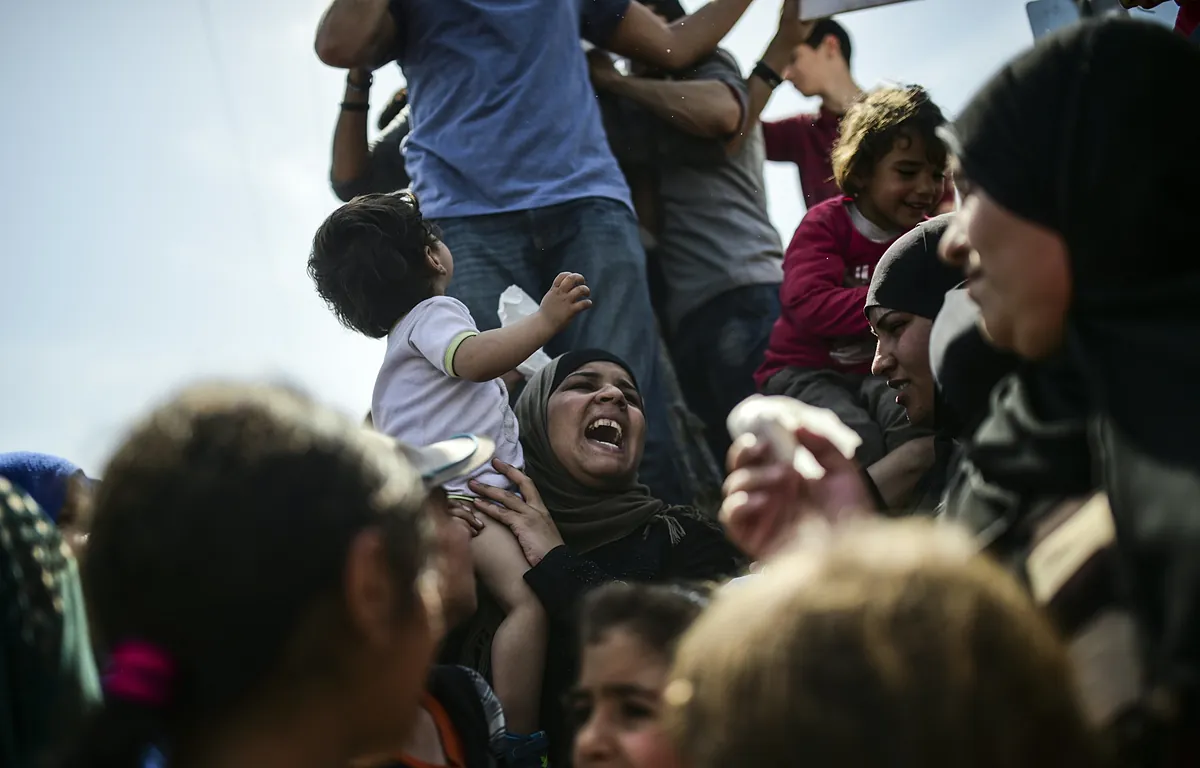
Eleven years after Angela Merkel opened Germany's doors to Syrian refugees, the European Union has embraced the deterrent approach championed by Italy's Giorgia Meloni, leaving Spain's Pedro Sánchez isolated in a continent where border closure has become a cross-party consensus. A letter signed by 22 of the 27 EU member states, calling for stricter border controls and warning against measures that could create a 'pull factor, has effectively sidelined the Spanish government in Brussels. Meanwhile, the autonomous cities of Ceuta and Melilla are struggling to return to normalcy amid a lingering sense of extreme vulnerability to Morocco's whims.
After eight years in power, the Europe Sánchez once knew has transformed. The turning point came on September 2, 2015, when photographer Nilüfer Demir captured the image of two-year-old Aylan Kurdi, a Syrian Kurdish boy whose body washed ashore in Bodrum, Turkey, after his family's boat capsized en route to the Greek island of Kos. The photo, which also claimed the lives of his mother and brother, galvanized European public opinion and prompted a dramatic shift in policy.
Within weeks, most EU governments—except Hungary and Poland—pledged to accept more refugees, building on Merkel's 'Wir schaffen das' (We can do it) mantra. But the open-door sentiment quickly soured. Images of chaotic crowds on the Balkan route fueled fears of uncontrolled migration, while the 2015 Paris and 2016 Brussels attacks, some perpetrators of which had entered via migrant routes, cemented the migration-security nexus.
In Germany, the 2015 New Year's Eve assaults in Cologne, involving mass sexual harassment attributed largely to foreign-born men, marked a turning point, according to then-Interior Minister Thomas de Maizière, and paved the way for the far-right AfD's electoral breakthrough in 2016. Subsequent attacks in Mannheim and Solingen in 2024 pushed Germany to tighten its asylum policy and resume deportations. Across Europe, far-right parties, once marginal, now set the agenda, and centrist parties have adopted their rhetoric to avoid being outflanked. As François Gemenne of HEC Paris puts it, 'If centrist leaders seem overwhelmed on these issues, they lose control of the narrative, so they feel compelled to show border firmness.
This shift extends beyond the right: Denmark's Social Democratic Prime Minister Mette Frederiksen and UK Labour leader Keir Starmer, who warned of a 'island of strangers, have both embraced tougher stances. Hybrid warfare has also played a role, with Belarus pushing Middle Eastern families toward Poland and Lithuania in 2021, and Morocco opening its Ceuta border in a similar fashion. The only exception to this closure trend has been the mass welcome of Ukrainian refugees, driven by proximity and a perceived cultural affinity.
Today's EU model is no longer Merkel's open doors—which only Sánchez still champions—but a deterrent approach that includes deporting undocumented migrants to third countries like Albania, despite legal hurdles. Spain, in contrast, has launched a regularization program that attracted over a million applicants. Sánchez's isolation stems from two simultaneous trends: Europe's shift toward closure and Spain's structural reliance on immigration to sustain economic growth.
The hardening of borders is no longer a right-wing cause but a cross-party consensus, as evidenced by the letter co-authored by Frederiksen, a fellow social democrat, not just Meloni or Friedrich Merz. When 22 of 27 member states sign a document blaming Spain's regularization for the pull effect, the narrative that Sánchez is attacked only by 'far-right' forces collapses—he is also challenged by his own political family. The 2015 Syrian wave barely touched Spain, which hosts few refugees and never internalized the shock that hardened Germany, Sweden, or Denmark. "Wir schaffen das"
Source: El Mundo