Crime
At the Top, the Figure Is Zero
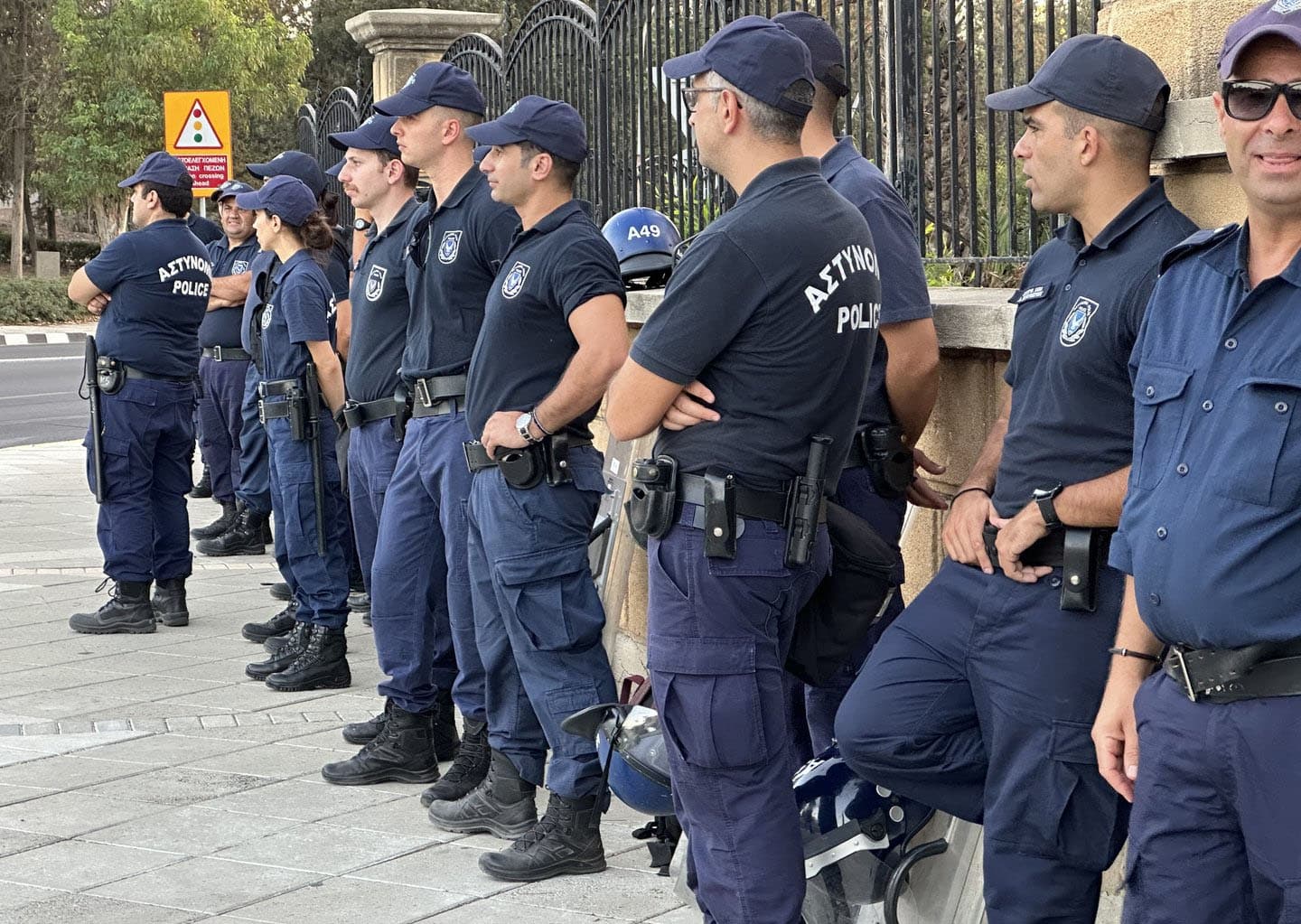
More than six decades after the Cyprus police force was formed, no woman has ever served as chief or deputy chief of police, a fact that raises questions about representation, public trust, and institutional decision-making. Women now make up about 28 percent of officers, but their presence thins dramatically up the ranks: 30 percent of constables, 21 percent of sergeants, 12 percent of officers, and 13 percent of senior officers. At the top, the figure is zero.
This disparity matters not just for internal fairness but for the force's legitimacy. A police service that mirrors the society it serves is better equipped to understand and respond to that society's needs. The value of women's leadership lies not in a fixed style but in broadening the perspectives and experiences at the decision-making table.
International comparisons show such leadership is achievable. In England and Wales, women now make up 36.1 percent of officers, and about 40 percent of chief constables are women. Sweden's national police commissioner is Petra Lundh, a woman.
Cyprus itself has a female House president, Annita Demetriou, though women hold only 11 of 56 parliamentary seats. The persistent absence of women at the top of Cyprus police cannot be dismissed as a simple matter of choice. Career progression depends on rank, operational credibility, mobility, and visibility—factors that may inadvertently favor those fitting a traditional, always-available model, while penalizing those with caring responsibilities or limited access to informal networks.
The real question is not whether women are capable, but how leaders are identified, mentored, and encouraged, and how assumptions about motherhood, authority, and commitment shape career paths. A 60-year pattern should not be accepted as normal.
Source: Cyprus Mail