Politics
Baltodano Stressed That the Ultimate Goal Is to Make It Impossible for the Exiled Opposition to Ever Return to Power

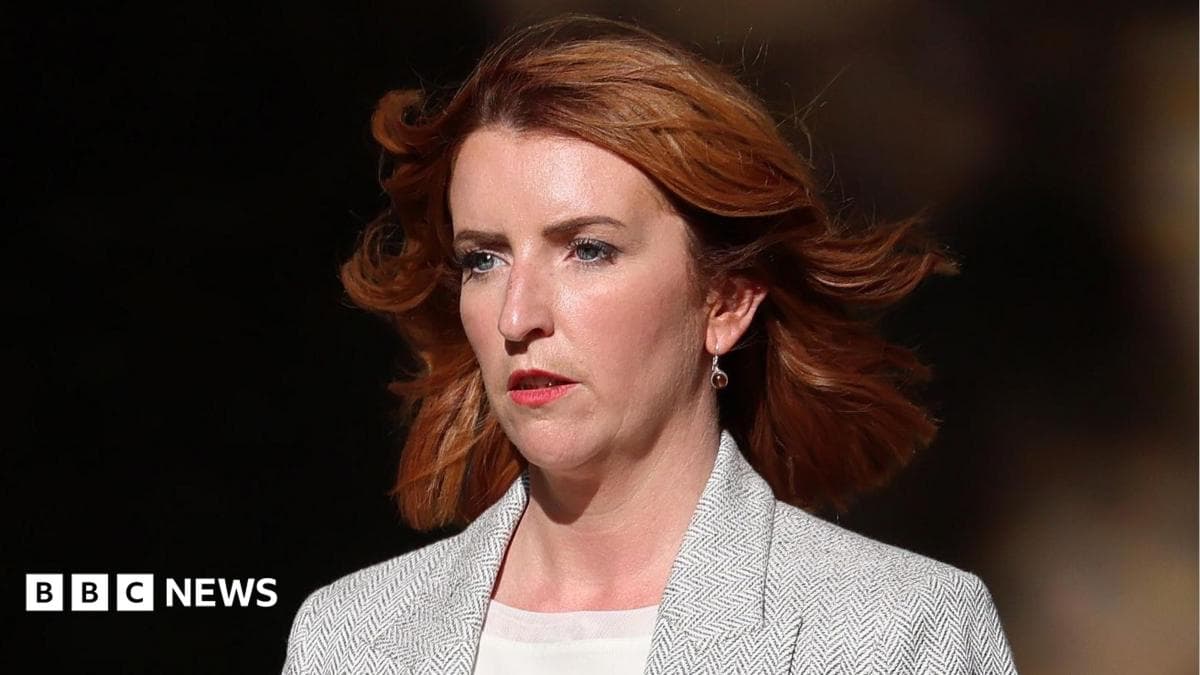
Nicaragua's Daniel Ortega has formally abolished elections, cementing what analysts call Latin America's last dictatorship and clearing the path for a family dynasty. The July 19 announcement, made on the anniversary of the Sandinista Revolution that toppled the Somoza regime in 1979, drew sharp rebuke from exiled former guerrilla commander Mónica Baltodano, who called it "a mockery" of the struggle that cost so many lives. Baltodano, an 80-year-old historian living in Costa Rica, said the move merely formalizes what has been reality for years: "The elections they have organized have been questionable, if not clearly fraudulent, for decades.
She warned that the regime's legal engineering could mimic totalitarian models like North Korea's, possibly creating sham bodies to ratify Ortega's rule. Over nearly two decades in power, Ortega has systematically dismantled democratic institutions, co-opting the judiciary, electoral council, and parliament, and pushing constitutional reforms to allow indefinite re-election. After the violent crackdown on 2018 protests, he imprisoned opposition figures, journalists, and clergy, and stripped thousands of dissidents of citizenship, forcing them into exile.
His wife, Rosario Murillo, co-president and self-styled heir, is widely seen as his successor, though Ortega has said he plans to govern for another decade. Baltodano stressed that the ultimate goal is to make it impossible for the exiled opposition to ever return to power. "They want to create an absolute impossibility for the opposition in exile to have any chance of considering participation in elections, she said.
Source: El País