World
Julia Majchrzak and Lorenzo Alessi Were Crowned Winners of the Latest UK Series, Which Ended on Monday
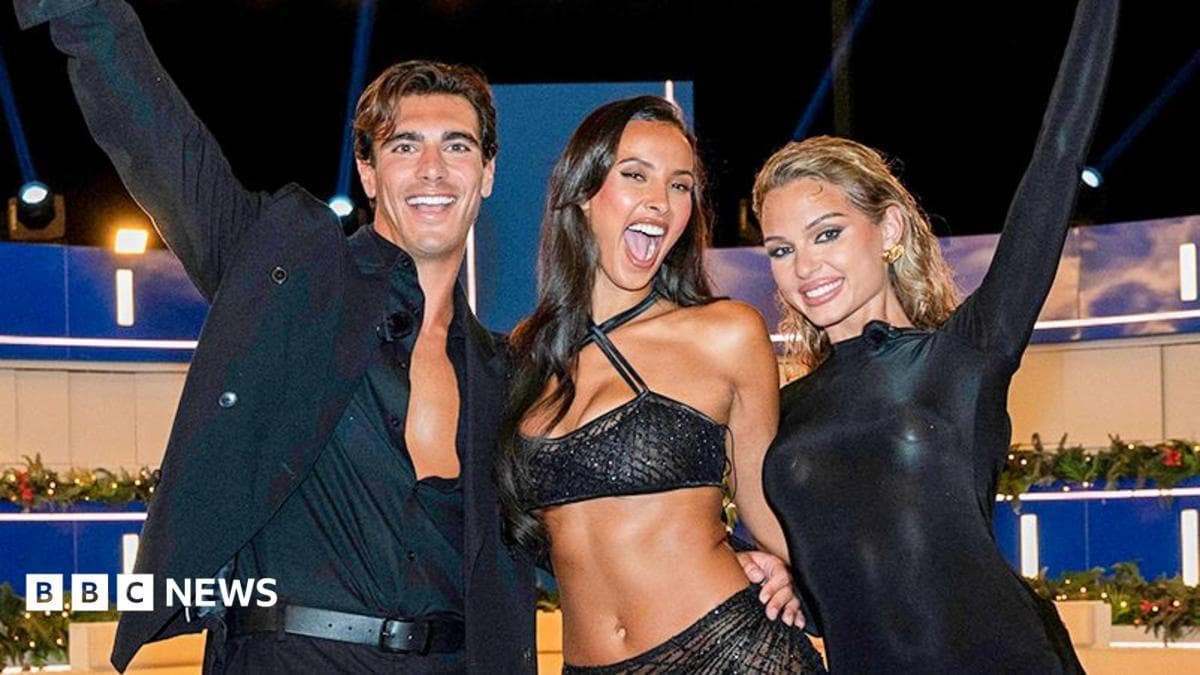
Fans, commentators and a former Islander weigh in on what the UK edition of Love Island could learn from its US counterpart to win back viewers. Julia Majchrzak and Lorenzo Alessi were crowned winners of the latest UK series, which ended on Monday. The final drew an average audience of 1.1 million viewers across all devices, including streaming, according to broadcaster ITV — a notable drop from last year's overnight figure of 1.3 million.
By comparison, series five in 2019 broke viewing records with 6 million tuning in to an episode post Casa Amor, and that year's final had the highest average audience to date. ITV says the 2019 figure was a consolidated number reached once it had received all data post-final, and it does not yet have an "equitable" figure for series 13. More than 60% of the audience now engages with the show through streaming, and the latest series, along with companion shows Aftersun and The Debrief, has racked up over 180 million streams on ITVX. Across the pond, the US edition has been reaching new heights, with its eighth series ranked the number one reality show for five weeks across all streaming platforms, according to streamer Peacock.
It also got a star-power boost as Lizzo, Demi Lovato and Kesha sent messages of support to finalists, while Megan Thee Stallion became a regular guest. Content creator Sarel, known for her Love Island debriefs to 1.2 million TikTok followers, says the biggest issue with the most recent UK series is that "there hasn't been much love" between the couples, so she wasn't rooting for anyone at the end. While she knows people watch for the drama and conversations it sparks, she sees those as "added extras" — the romances should be at the centre.
"I want somebody to fall in love. I love stories where we get the butterfly moments, she says, citing Indiyah Polack and Dami Hope running to each other, or couples like Molly-Mae Hague and Tommy Fury. She thinks the US version gets this right, as it feels like "everyone who is in there actually fancies one another" and there is "no box" they have to fit into.
Aaron Evans, a winner of The Traitors UK who appeared on series six of Love Island USA, says the US edition's success is helped by having "fresh eyes" on the format and "so much social media presence", making it "highly engaging". TikTok data given to Newsbeat backs that up: during the latest series, was mentioned in 123,000 posts in the UK and in 88,000, while in the US appeared in 1.09 million posts and in 502,000 — though the US population is nearly five times the UK's. US entertainment journalist Carly Thomas of The Hollywood Reporter says executive producers have told her they look for ways to "bring in the US audience", whether through social media, challenges or the islanders they choose. "I think for the US audience, we love to just relate and connect with people, she says.
She also feels the US edition wants to "push the limits" of islanders with intense challenges, and viewers "love to see how far they'll go" — including one hosted by Megan Thee Stallion where contestants sat on cakes and threw them at each other. Love Island USA hasn't been all smooth sailing: contestants in last year's series faced relentless online bullying, forcing the show to broadcast a statement saying it does not tolerate "cyberbullying, harassment or hate". The show insists it takes duty of care seriously.
The US version runs for six weeks once a year, while the UK summer edition typically airs across eight weeks, with an additional All Stars series now running. The finale of the third All Stars version attracted about 910,000 viewers earlier this year. Superfan Dami Amoo says the UK series is starting to feel "overproduced", and during the most recent series producers introduced new twists to get hearts racing and TikTok numbers up.
Source: BBC Culture