
Ekonomi
The Plan Seeks to Bolster Maritime Security Through a Coalition Hosted and Led by Saudi Arabia
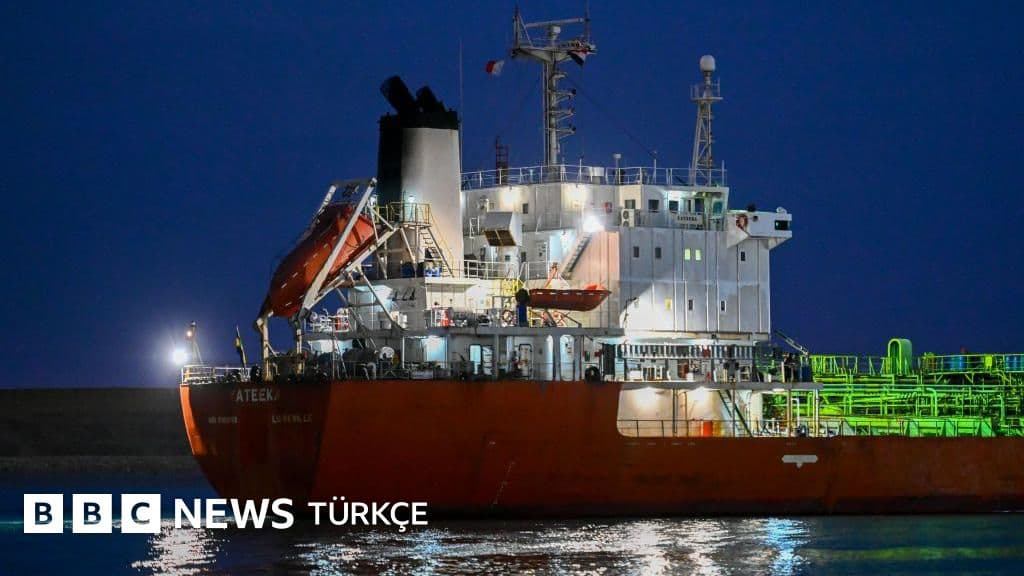
Saudi Arabia announced the formation of a multinational naval defense coalition led by Riyadh, with 14 countries participating, including Turkey. Saudi officials said the initiative aims to protect international shipping, trade routes, and energy transmission lines against growing threats in the Red Sea, the Bab el-Mandeb Strait, and the Gulf of Aden. The announcement came amid rising attacks and threats against commercial vessels, tankers, and maritime facilities in the region, and growing concerns over disruption to one of the world's most critical waterways.
The plan seeks to bolster maritime security through a coalition hosted and led by Saudi Arabia. The announcement followed an international meeting hosted by the Saudi Defense Ministry, attended by representatives from 43 countries and the European Union. At the end of the meeting, 14 countries issued a joint statement expressing support for the project.
According to Riyadh, the coalition aims to protect freedom of navigation, secure international trade routes and energy transmission lines, and counter threats targeting commercial ships, tankers, infrastructure, and shared maritime interests. However, operational details such as the activation date, number of troops or vessels, command and decision-making structure, rules of engagement, and each country's participation type have not yet been disclosed. Besides Saudi Arabia, the coalition includes 13 other countries: Turkey, Pakistan, Egypt, Kuwait, Bahrain, Qatar, Jordan, Yemen, Sudan, Djibouti, Somalia, Bangladesh, and the Comoros.
Turkey has not yet made an official statement on the matter. The coalition's membership reflects its broad geographic scope, bringing together Arab and Gulf states bordering the Red Sea and the Gulf of Aden with Islamic nations that have navies or are near Indian Ocean trade routes. The meeting held before the announcement was attended by representatives from 43 countries and the European Union, but only 14 signed the founding declaration.
Riyadh said the door remains open for other countries to join after completing their internal processes. The United Arab Emirates and Oman are not on the list of founding members. Despite being Gulf Cooperation Council members and playing significant roles in regional maritime routes, neither country has explained its reasons for not joining.
The announcement came at a time of heightened threats and risks in the Red Sea, Bab el-Mandeb Strait, and Gulf of Aden, following the resumption of conflict between Saudi Arabia and the Houthis in Yemen. In July 2026, the Houthis launched missile and drone attacks on Saudi cities and oil facilities. Ships linked to the country and energy installations along the Red Sea coast were also targeted.
The Houthis also announced what they called a "naval blockade of Saudi Arabia" and warned they could disrupt shipping through the Bab el-Mandeb Strait. These developments occur within a broader regional conflict involving the US and Israel against Iran and its allies, which has put oil export and trade routes around the Red Sea, the Strait of Hormuz, and the Suez Canal under threat of attack. The threat to Saudi Arabia extends beyond its direct security, encompassing the protection of its oil exports, ports, and coastal projects, as well as maintaining the Red Sea as an alternative route for energy shipments during disruptions in the Persian Gulf.
The timing of this project appears tied to efforts to create a more coordinated response at regional and international levels and to share responsibility for protecting these chokepoints among at-risk countries, rather than leaving it solely to Western forces stationed in the region. However, the coalition's founding declaration does not explicitly mention the Houthis or Iran, instead defining the coalition as a defensive framework to protect shipping, trade, and maritime infrastructure from various threats.
Kaynak: BBC Türkçe