राजनीति
Boycotts, Fraud Allegations, Communications Blackouts, Heavy Security, and Deadly Clashes Marked the Vote
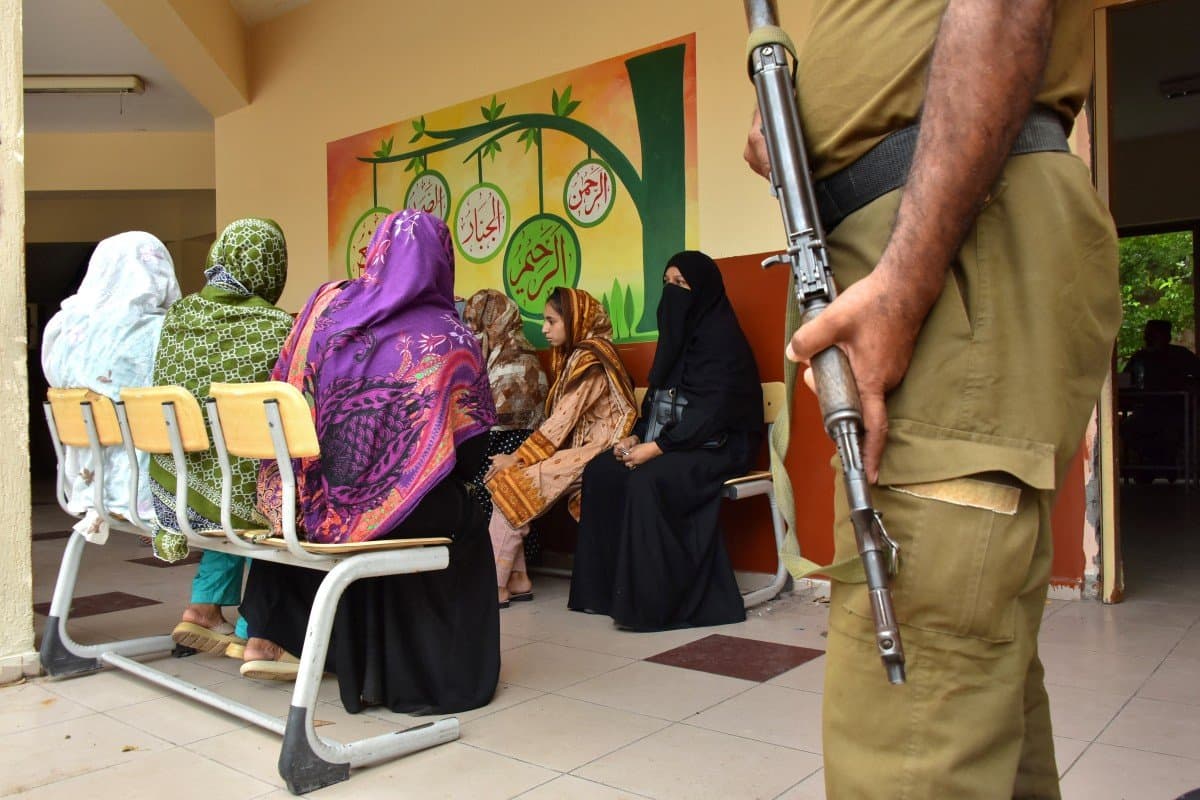
Boycotts, fraud allegations, communications blackouts, heavy security, and deadly clashes marked the vote. The election for 45 general seats unfolded in three phases: Mirpur Division voted on July 27, Muzaffarabad Division and 12 refugee constituencies on August 2, and Poonch Division is set for August 10. Preliminary results gave Pakistan Muslim League-Nawaz nine of 13 seats in the first phase, with Pakistan Peoples Party taking four. Pakistan Tehreek-e-Insaf boycotted, citing fraud and political crisis, while the Joint Awami Action Committee, proscribed under anti-terrorism laws on June 5, also urged a boycott.
Reports of minimal turnout surfaced, though officials disputed them. Social media alleged late polling-station openings, ballot stuffing, and forged IDs, but many claims remain unverified. Some stations reportedly saw 80-90 percent turnout, attributed to PPP figures like Bilawal Bhutto-Zardari, though no official record confirmed this.
Roughly 3.8 million voters are registered, with 3.37 million in territorial constituencies and 439,000 in refugee seats. Critics say the 12 refugee seats, over a quarter of the assembly, let Pakistan-based parties wield undue influence. JAAC has demanded their abolition, but the regional Supreme Court ruled in June they are constitutionally protected.
स्रोत: Khaama Press