
রাজনীতি
Iran Rejects UN Criticism Over Executions, Citing National and Religious Law
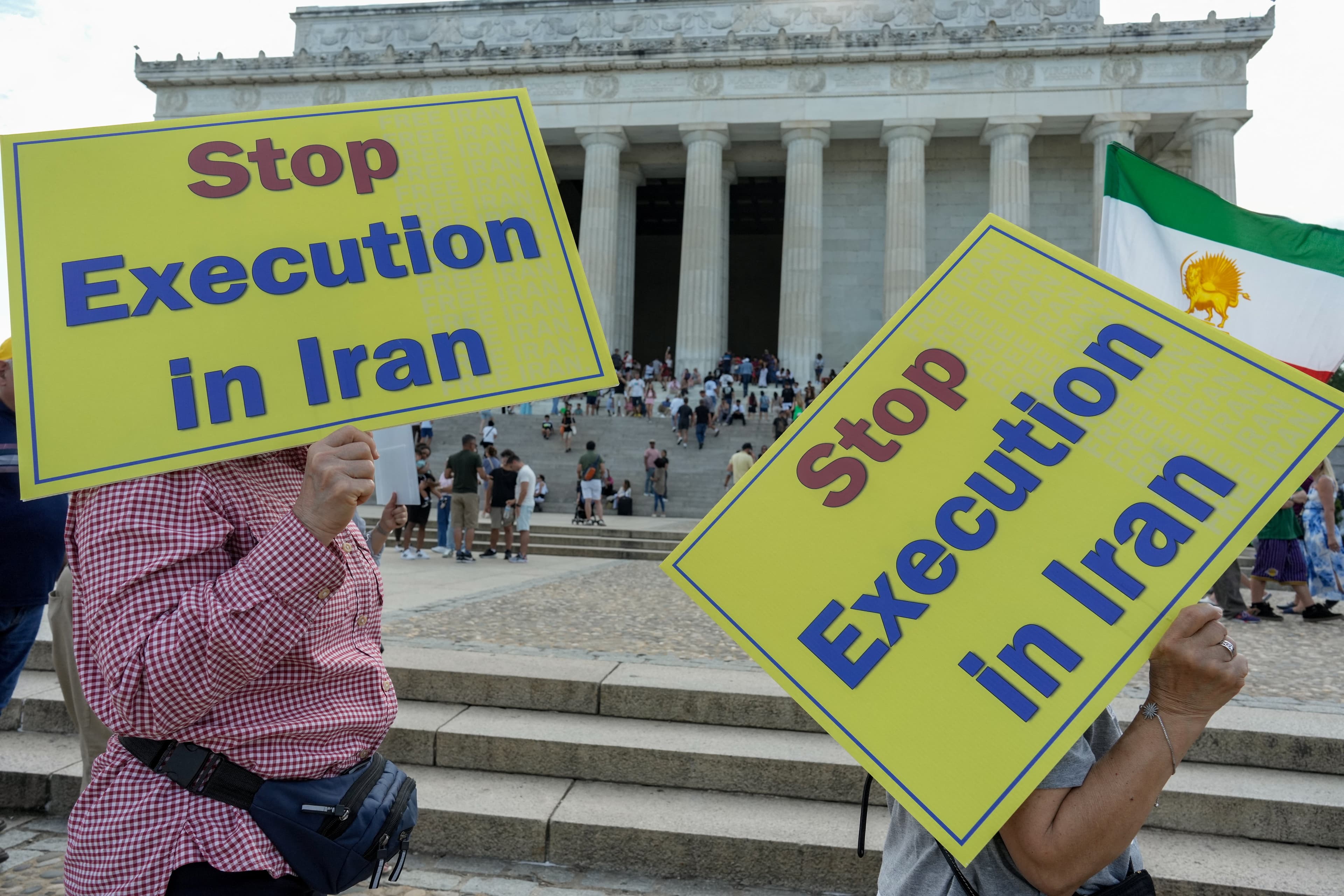
UN High Commissioner for Human Rights Volker Turk said on Wednesday that Iran has executed at least 56 people on national security-related charges since March 19, including 27 linked to nationwide protests that erupted in January.
Turk warned that the executions are being used to suppress dissent and instil fear, urging Tehran to halt all executions and move toward abolishing the death penalty. The UN Human Rights Office said more than 100 others remain at risk of execution on similar charges, while drug-related executions continue at an alarming rate. Turk highlighted systemic judicial failures, including confessions allegedly obtained under torture and trials held in secrecy, with 12 defendants sentenced to death after a single three-hour closed-door hearing.
Amnesty International reported in July that the executions stem from a state campaign following the January uprising, with Revolutionary Courts handing down arbitrary verdicts without basic safeguards. The protests began in late December and January after the collapse of the Iranian rial triggered hyperinflation and food price spikes, evolving into widespread antigovernment demonstrations. Iranian officials have rejected the UN criticism, maintaining that capital punishment is lawful under national and religious law.
উৎস: Al Jazeera English