
সংস্কৃতি
Conditions Are Expected to Worsen Through October, Traditionally Afghanistan's Peak Malnutrition Season
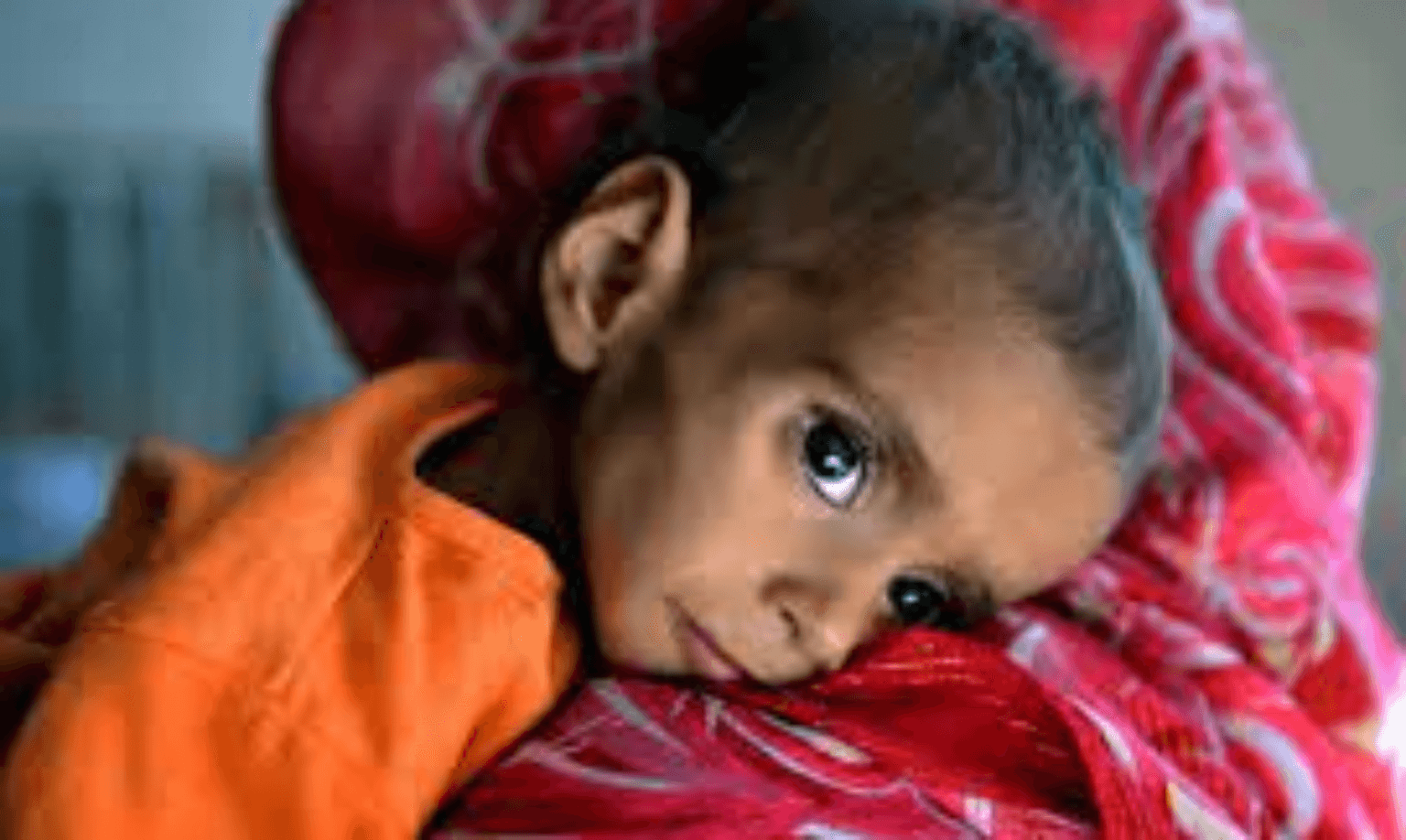
The United Nations World Food Programme has warned that acute child malnutrition has reached critical levels in one-third of Afghanistan's provinces, as funding shortages force cuts to life-saving nutrition programs. In a report released this week, WFP said 12 provinces, including Helmand, Kandahar, Baghlan, Daikundi, Ghor, Faryab and Paktika, now require urgent therapeutic nutrition interventions. Conditions are expected to worsen through October, traditionally Afghanistan's peak malnutrition season.
WFP estimates around 3.7 million Afghan children are suffering from acute malnutrition, while 1.2 million pregnant and breastfeeding women are also at risk. Nearly half of Afghanistan's population experienced child-related food insecurity during the first quarter of the year. John Ayliffe, WFP's Country Director in Afghanistan, described the situation as alarming, saying clinics continue to receive severely malnourished children while many mothers are suffering from hunger.
During 2025, 142 health facilities providing nutrition support closed, and more than 13,000 children lost access to therapeutic feeding programs. Disruptions in the supply of specialized nutritional products, citing regional instability and the prolonged closure of Pakistan's border, increased transportation costs and delayed deliveries. Nearly one million mothers and children have been unable to receive essential nutrition services for about five months.
Preventive nutrition programs have effectively stopped because no funding is available. WFP requires US$540 million over the next six months to maintain emergency food assistance and nutrition operations. Without urgent international funding, child malnutrition is likely to worsen, placing millions of Afghan children at increased risk of irreversible health complications and preventable deaths.
উৎস: Khaama Press